Risking Traditional Benefits for Trendy Hype
Young men choosing a tuxedo for the first time have many choices today. They can opt for the celebrity styles seen on the red carpet, designer creations featured in fashion magazines or the latest trends promoted by formalwear renters. With all of these modern alternatives what guy would want to wear a tuxedo like his grandfather’s? The one who knows a good thing when he sees it.
- Risking Traditional Benefits for Trendy Hype
- Change for the Worse: Black Tie Since the Late 1960s
- Change for the Better: A Brighter Future for Black Tie
- Time-Tested Traditions: The Fundamentals of Black Tie
- Rules for Bending the Rules
- (Not So) Well-Suited: Learning from the Past
- Red-Carpet Romp: Hollywood & Black Tie
- Formal Facts
Since the 1960s, modernist attempts to reinvent black tie have typically arisen from the perception that it needs to be more comfortable or more contemporary. However, proponents of classic menswear argue that the formula has already been perfected and tampering with it is not only needless but will invariably mar the outcome. Black tie’s components “have been perfected over many decades by the best tailors and most astute dandies,” says traditionalist Nicholas Antongiavanni. “All the necessary compromises have already been made. To press further is to lapse into vulgarity for the sake not of comfort but of fashion.” A 2004 Wall Street Journal editorial concurs:
This is the power of the traditional costume–it is at the same time aristocratic and democratic. The very uniformity of the tuxedo makes it socially leveling. And whereas most instruments of democratic equality tend to lower all boats, the tuxedo levels up. Would-be improvements invariably throw the aristocratic-democratic balance out of whack.
Change for the Worse: Black Tie Since the Late 1960s
Sartorial Pitfalls
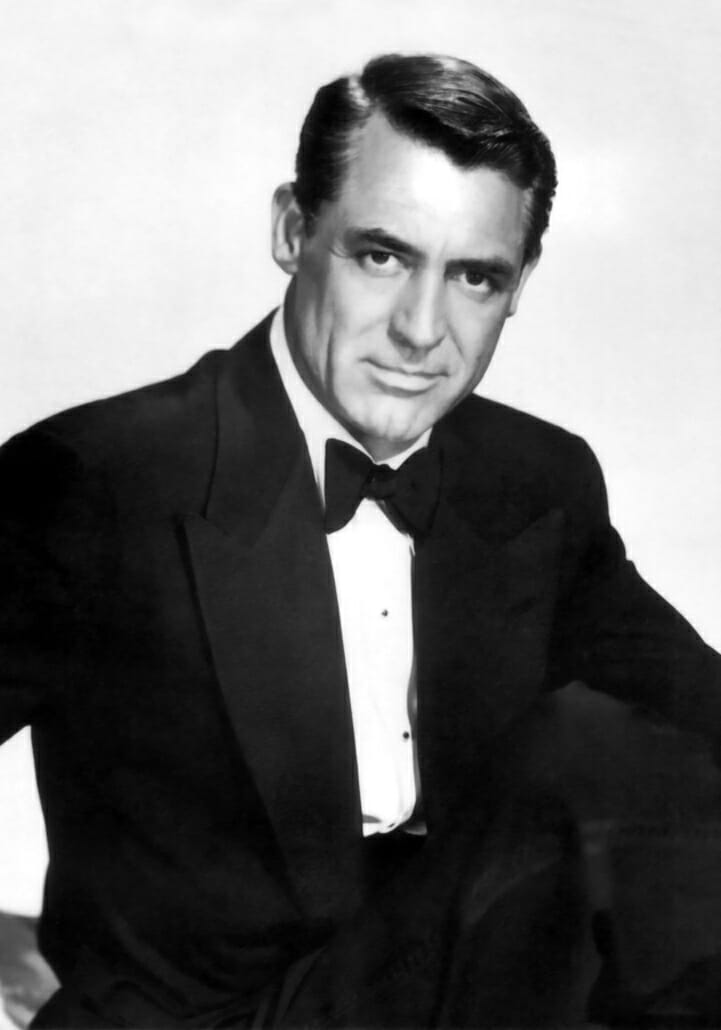
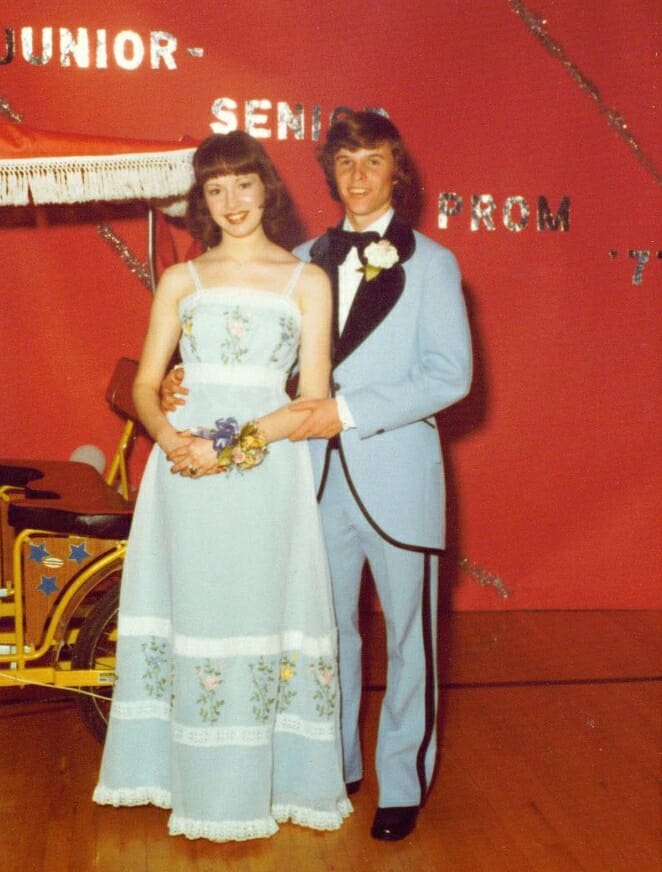
For the most part, history has validated the traditionalists’ argument. Ever since the rise of the baby boomers in the 1960s, attempts to replace black tie’s convention, maturity and conformity with modernity, youthfulness and individuality have almost always failed, often spectacularly. To wit: men who opted for traditional black tie in the forties and fifties look like Cary Grant or Frank Sinatra in their prom and wedding pictures, the epitome of cool.
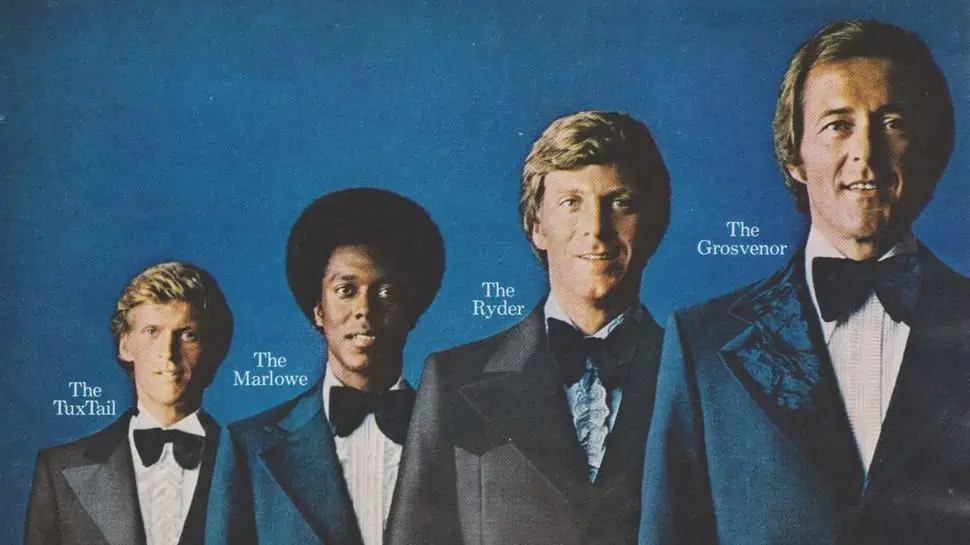
In contrast, their sons who viewed themselves as infinitely hipper in the 1970s ended up resembling Lawrence Welk band members in their own portraits. Their subsequent self-assured offspring who also chose trendy fashion over traditional style later found themselves cringing at photos of Duran Duran wannabes. And now Generation Y males, convinced they’ll never look as ridiculous as their predecessors, are smugly dressing themselves as black-suited morticians for their own big day.

Social Pitfalls
As botched as they may have been, past generations’ misguided choices of prom and wedding formal styles impacted no-one but the wearers. By the time the perpetrators were old enough to attend proper black-tie functions they had usually learned their lesson and realized the numerous benefits of following the dress code’s customary interpretation. However, many of today’s young men – particularly in the creative industries – have decided to carry their indiscretions beyond the wedding hall and into the realm of formal galas. Here their choices also impact those around them because they diminish the sartorial uniformity that lies at the heart of the Black Tie dress code.
Poor Influences
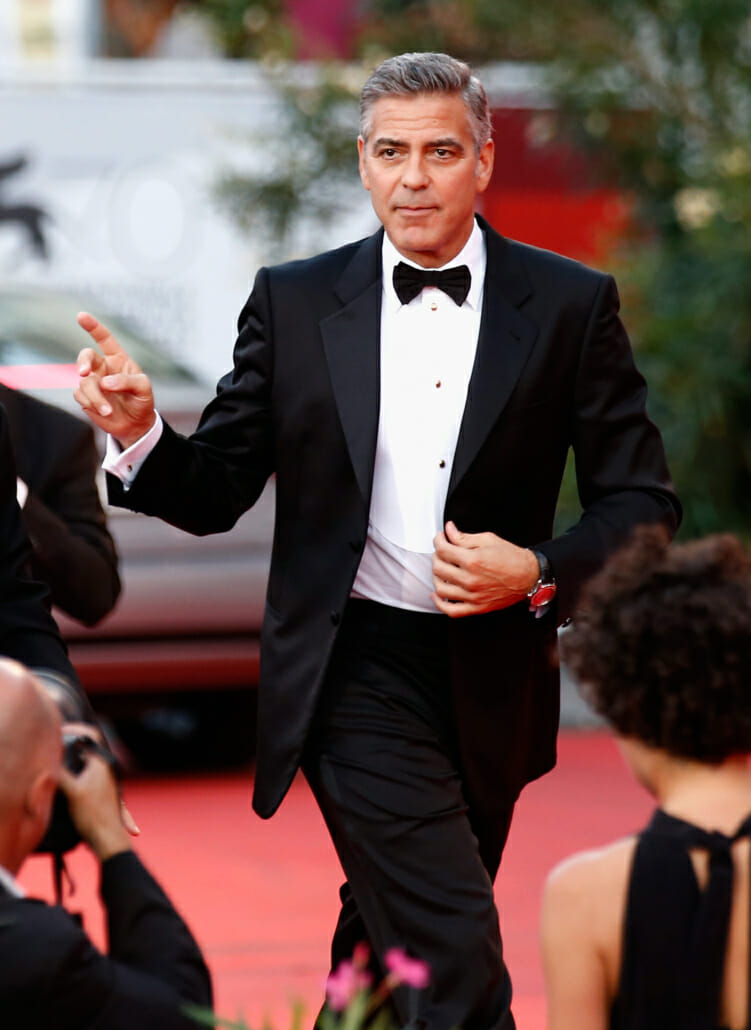
The poor choices of the past fifty years have been abetted, if not directed, by the rise of equally poor influences. The dearth of sartorial role models in the modern world begins at the top of the fashion pyramid with today’s trendsetters: pop-culture idols. When debonair movie stars and performers like Clark Gable and Cary Grant used to walk the red carpet they could be always counted upon to epitomize black tie’s understated elegance and uniformity. Today, however, Hollywood fashions are often influenced by young celebrities who have little or no understanding of the principles of men’s formal dress and view it primarily as a tool for attracting attention.
The all-pervasive fashion industry is no better a teacher because it is largely composed of the same stylists that feed the witless celebrity mill. While menswear magazines and high-end retailers once educated readers on the etiquette and elegance of conventional evening wear, they now spotlight designers’ frenzied attempts to catch the public’s fleeting attention. Couture’s practice of constantly trying to reinvent fashion may be fine for everyday wear but it is anathema to attire named for its role as a preserver of traditional form.
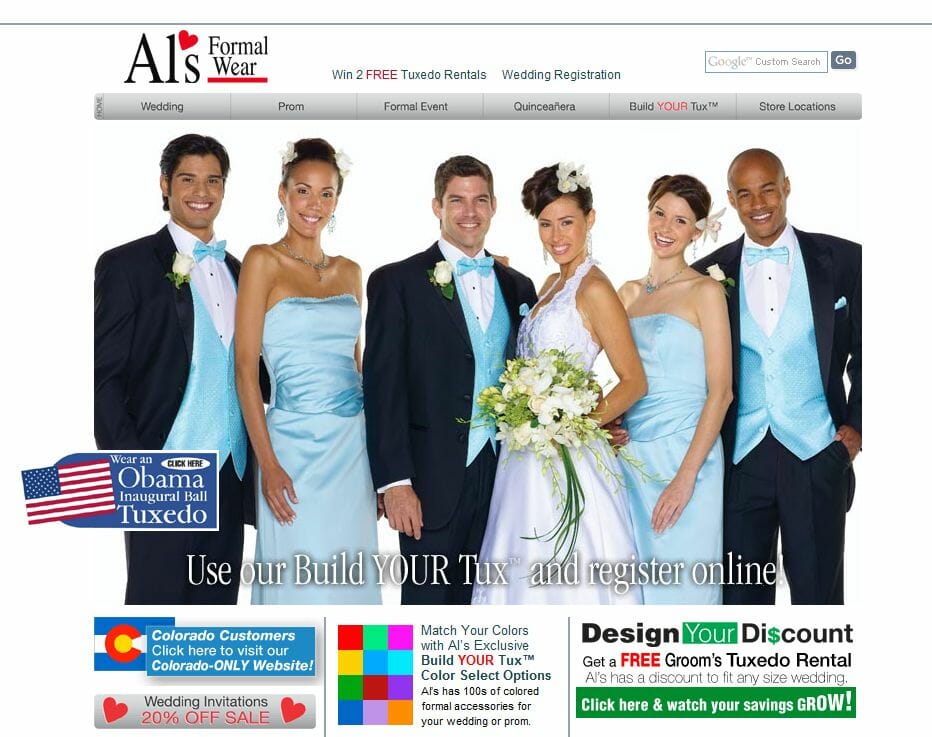
These capricious designer and celebrity trends then filter down the fashion pyramid to influence the offerings of the mainstream “formalwear” shops that cater to the vast majority of the tuxedo wearers. Consequently this industry’s salespeople are more likely to be trained as specialists in inventory turnover than experts in traditional etiquette. It is much easier, after all, to sell a young man on the latest vogue then to take the time to explain the sublime advantages of a century-old tradition.
Change for the Better: A Brighter Future for Black Tie
Despite the grim track record of the past fifty years, history has also proven that not all change is bad. In fact, what we define as classic black tie today would never have come into existence if it were not for change: soft-front shirts with turndown collars were considered the height of informality when they began appearing with tuxedos in the 1920s and traditionalists of that era were equally reluctant to accept the double-breasted dinner jacket or cummerbund as anything but casual summer alternatives.
The critical difference between black tie’s pre-war modifications and the ones that came later is that the original changes were introduced by men with an impeccable sense of style and a thorough familiarity with the purpose of formal attire. In other words – and this can’t be emphasized enough – the only people who can successfully bend the rules are the ones who truly understand them.
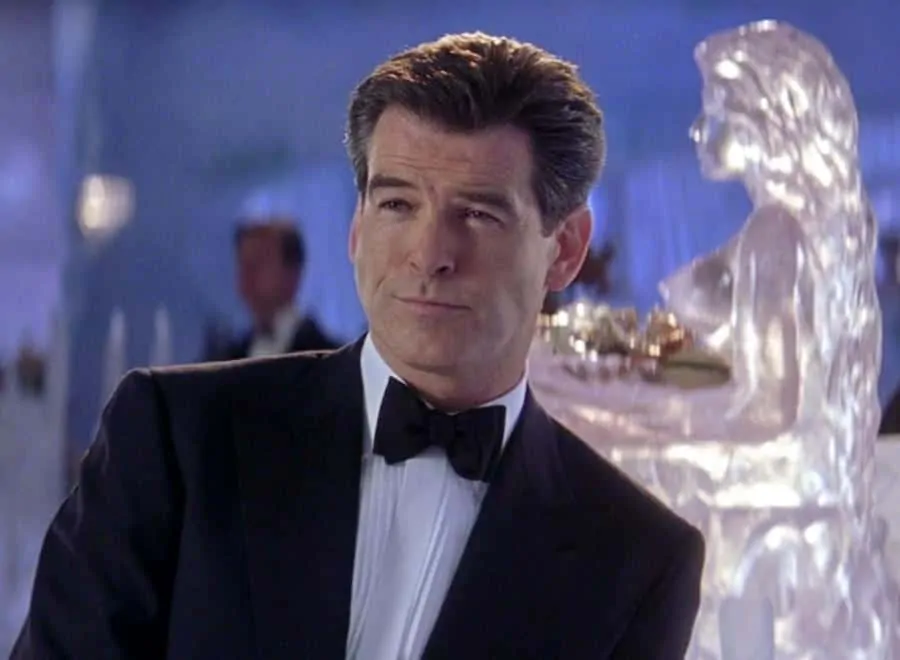
Having established that seeking guidance on black tie from today’s most common tuxedo trendsetters is akin to obtaining writing instruction from an illiterate, where do we find teachers who genuinely understand style and tradition? Well, a man can look to style and etiquette authors, celebrities with a proven penchant for classic styling, experienced tailors and knowledgeable black-tie partygoers. Or he can educate himself and become his own best mentor, a process made ridiculously simple by this very Guide.
Time-Tested Traditions: The Fundamentals of Black Tie
An effective self-education in the fundamentals of successful black tie begins with a review of the key components of this site. In particular, the basic definition and role of proper black tie as spelled out in the Etiquette section, the History of Black Tie’s evolution and the specific details of the sartorial benchmark, Classic Black Tie.
Out of this review emerge the fundamental merits of black tie:
- Black tie’s specificity creates a uniformity and therefore equality among men.
- Black tie maximizes the masculine ideal by making a man look taller, stronger and younger than any other type of dress.
- Black tie makes a man look more refined than any other type of dress.
- Black tie maximizes an occasion’s formality
These merits are achieved through a few fundamental rules:
- Black tie manifests established sartorial tradition.
- Black tie is grounded in black. White is always secondary and color is to be used sparsely and with great discretion.
- Black tie emphasizes understated details and elegant finishes.
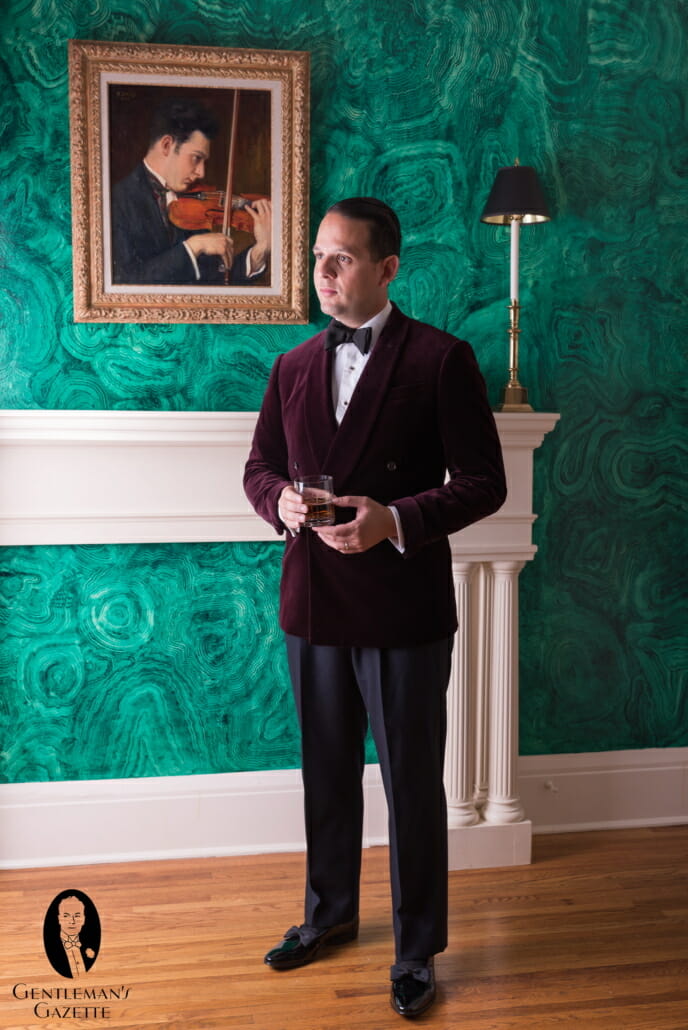
Rules for Bending the Rules
Once armed with the “rules” of successful black tie a man can join the ranks of those qualified to judge the potential success of modern variations. In addition, he can take advantage of a few secondary guidelines to assess how best to bend those rules:
- Try it on. The fact that a new trend looks good on a professional model or popular celebrity means nothing unless he’ll be the one wearing it for you. Similarly, you can’t truly weigh the visceral appeal of current fads against the subtle nuances of traditional style until you have worn the latter as well.
- Keep it low key. A variation that is subtle and respectful of the remaining fundamentals is only bending the rules; a transgression that blatantly contravenes numerous principles is definitely breaking the rules. Play it safe by leaving the dinner suit untouched and limiting the modern twists to its less visible accessories.
- Pace yourself. Include no more than one unorthodox variation at a time, particularly if it’s an especially conspicuous bastardization.
- Know your audience. Remember that Black Tie customs vary according to geographic region, social strata and relative formality of the affair. You will be much more likely to get away with a Nehru jacket and band collar shirt at a music awards ceremony than you would at a diplomatic reception.
- Act your age. Younger men can get away with a lot more than other guys. So can much older men, for that matter. For all the rest of us it’s best that we accept our limitations.
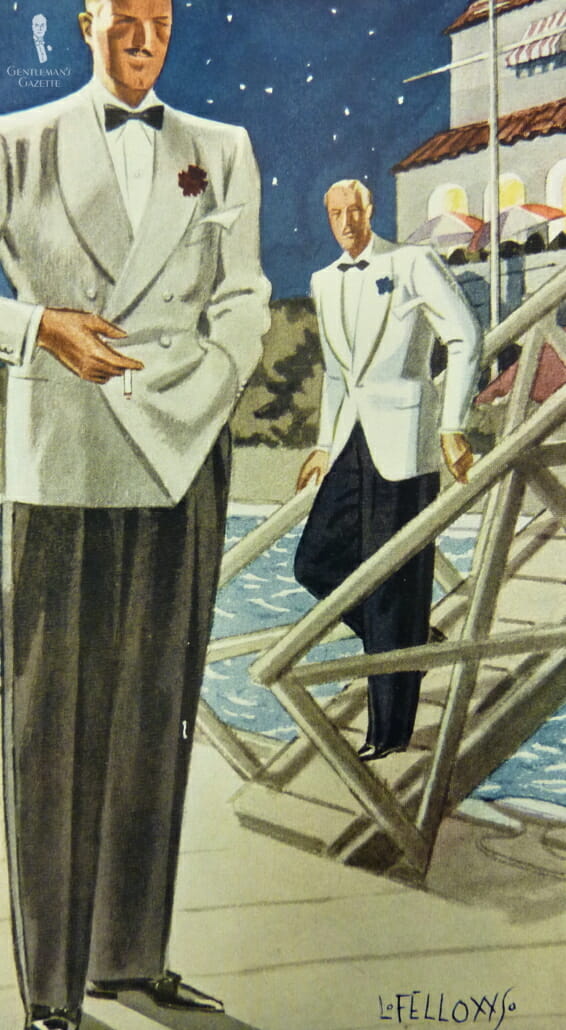
If by this point you are still undeterred from tinkering with black tie’s time-honored standards then it’s time to take a look at popular contemporary variations in the context of those benchmarks. After that you should finally be ready to assemble a modern ensemble that won’t make you cringe at the evening’s photos ten years down the road.
(Not So) Well-Suited: Learning from the Past

While the formalwear industry may have stopped selling the ridiculous tuxedos featured in this ad, many retailers continue to sell the ad’s equally ridiculous notion that a tuxedo should be anything but traditional.
Don’t Mess with Success
In this humorous video, comedian and commentator David Mitchell opines on the value of a traditional Black Tie ensemble

Current Trends
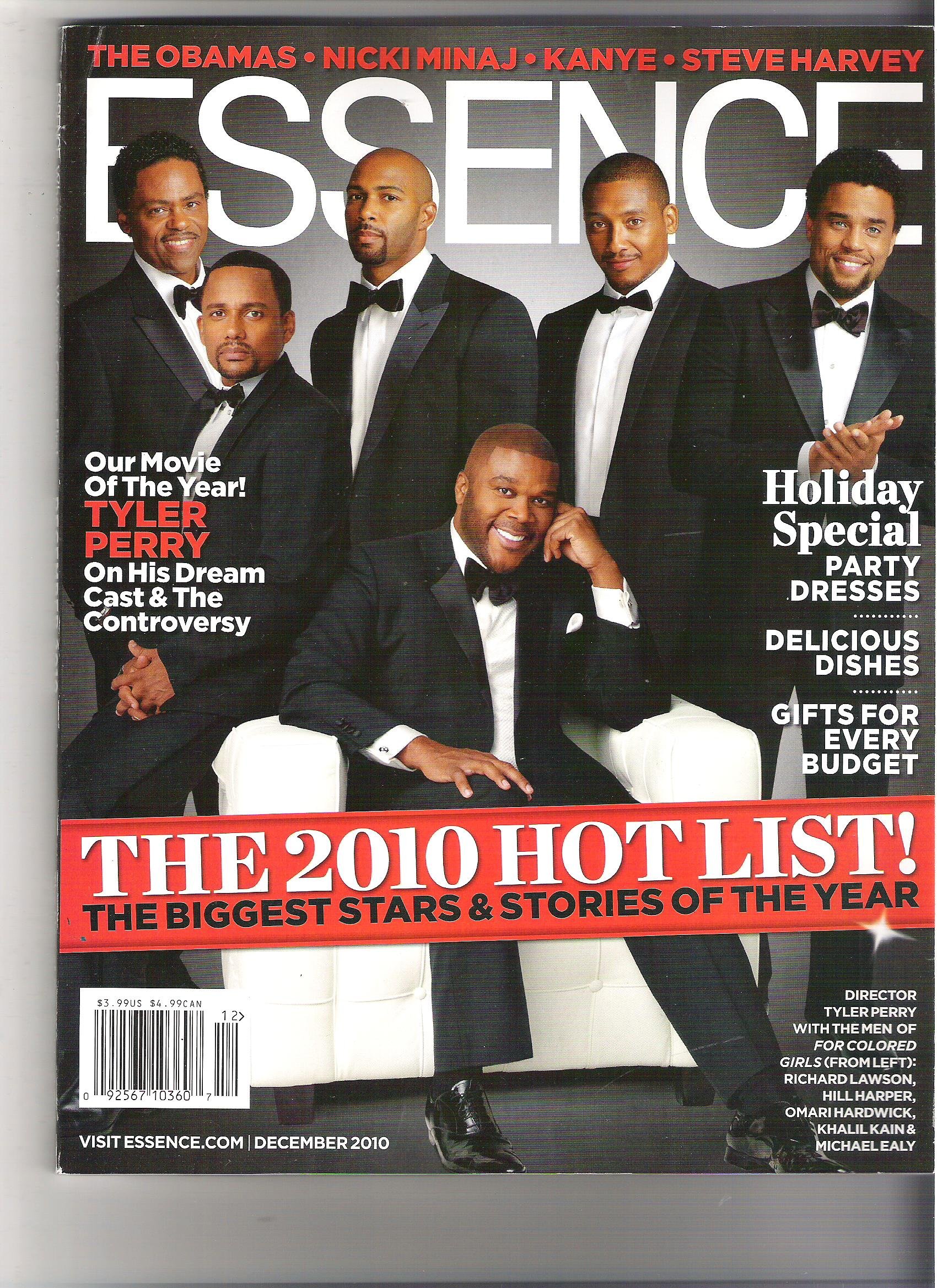
The current chapter in black tie’s history is a relatively conservative one. Many recent men’s style books have toed the line on strict formalwear protocol and modern black-tie fashions tend to at least stick to the traditional black-and-white palette.
Red-Carpet Romp: Hollywood & Black Tie

After its heinous invention of “creative black tie” in the 1990s, Hollywood has been returning to its senses and rediscovering the timeless merits of proper black tie.
Formal Facts
Well Suited: Reputable Black-Tie Brands
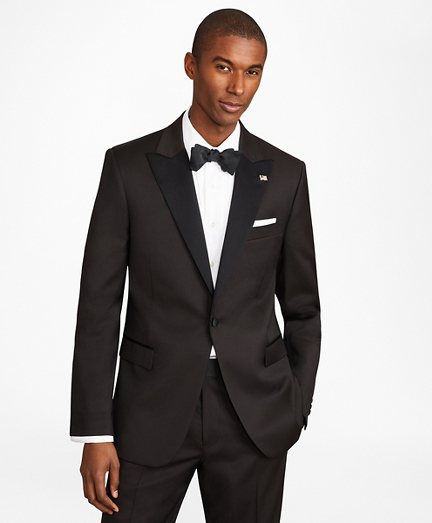
Interested in purchasing a traditional Black Tie ensemble? Designers such as Ralph Lauren, Tommy Hilfiger, and Brooks Brothers are usually more respectful of black tie’s fundamental principles when creating modern variations and their products are less likely to suffer from the pitfalls of most contemporary Black Tie outfits.
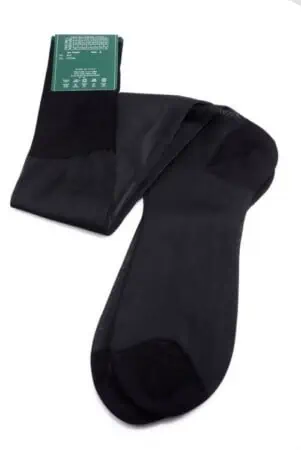
Looking for Classic Black Tie Accessories? Look No Further!
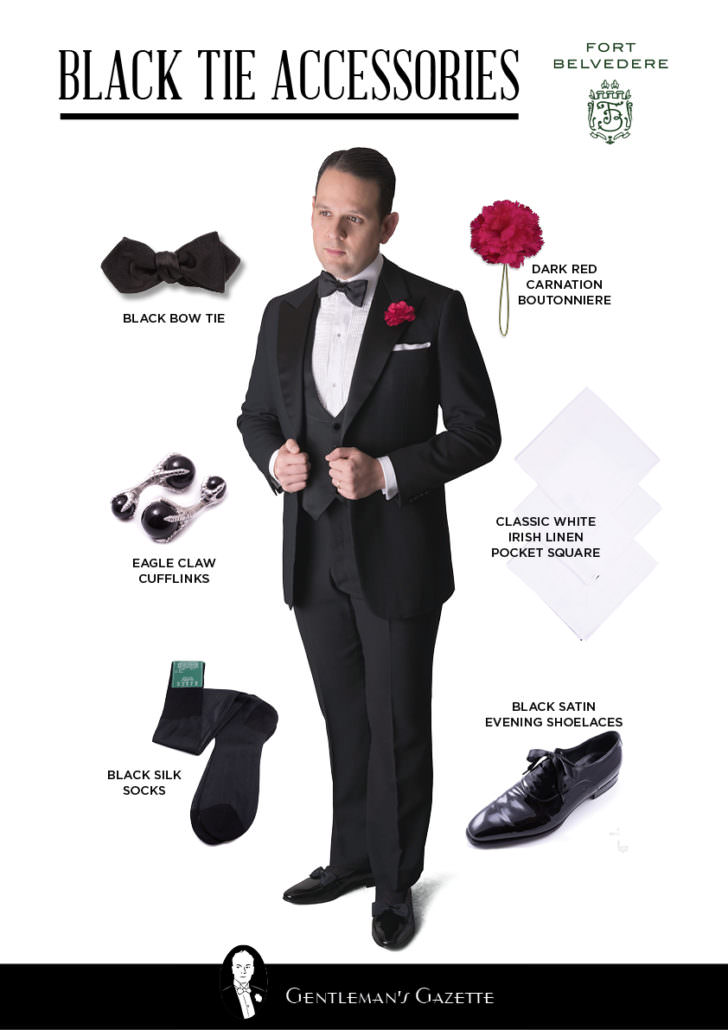
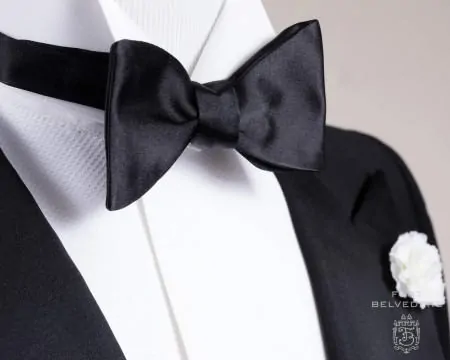


Explore this chapter: 5 Contemporary Black Tie Tuxedo – Amending Perfection?
- 5.1 Style Over Fashion – Lessons From The Past
- 5.2 Contemporary Tuxedo
- 5.3 Black-Tie Waist: Contemporary Evening Vests
- 5.4 Contemporary Black-Tie Tuxedo Shirts
- 5.5 Contemporary Neckwear – The Black Necktie et al
- 5.6 Contemporary Tuxedo Shoes, Black Tie Accessories, and Outerwear
- 5.7 Contemporary Alternatives and Personalization