Qualifying The Experts: Correctly Defining Black Tie
While there is a universal understanding that black tie is a dress code, definitions of the code’s specific attire can vary widely. The question then becomes, whose definition is correct?
Before we assess the validity of various definitions we first must place the black-tie code in context:
- The code is used specifically to maximize an occasion’s formality
- “Formal”, in turn, is defined as the maintaining of tradition
- Traditions evolve (If they didn’t, then the tuxedo would still be unacceptable in mixed company)
Viewed in this perspective we can determine the qualification of a given definition’s source:
- The most relevant sources are experts on conventional etiquette and menswear
- Because fashion experts focus on the short term, their opinions are applicable only when a long-term pattern emerges
- Sources that heavily emphasize personal flair can be dismissed altogether as they run counter to black tie’s traditional emphasis on uniformity
- Published sources are more valid than amateur commentators as they are more likely to have legitimate credentials and to influence the population at large
The Expert Consensus
Upon examining the advice of this select group of pundits it quickly becomes apparent that the true definition of black tie lies in its details.
Furthermore, despite the diversity of the experts sources and the century-long evolution of the dress code, the accumulated details are largely identical. This fact completely discredits the argument that black tie is simply a matter of personal interpretation.
The Short Answer to What Black Tie Means
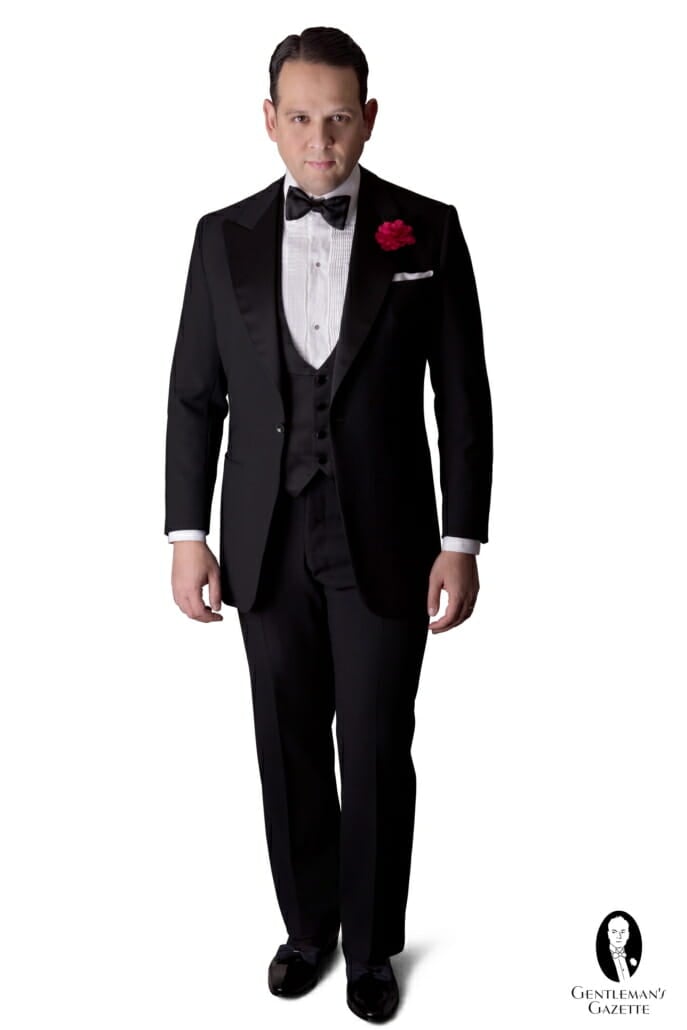
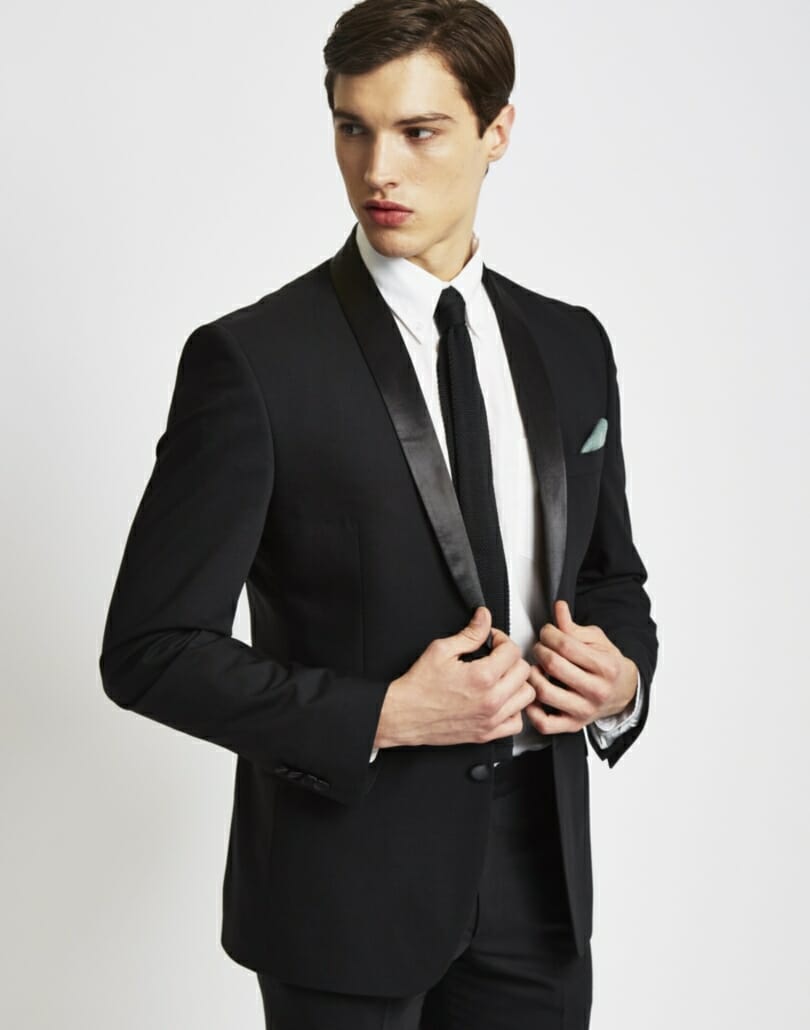
Black Tie is a dress code that for men consists of the traditional tuxedo and accompaniments: a black dinner jacket and matching trousers, an optional black formal waistcoat or black cummerbund, a white formal shirt, a black bow tie or alternatively a black long tie, black dress socks, and black formal shoes. In hot weather, a white dinner jacket may be substituted and the cummerbund is the preferred waist covering.
The Complete Answer to What Black Tie Means
The simplistic summary above may be suitable for a dictionary but in a practical sense it raises more questions than it answers: What qualifies as a “dinner jacket”? A “formal shirt”? “Dress socks”? Therefore, in order to actually assemble a proper black-tie outfit each of its components requires its own definition:
1. Dinner Jacket
- Fabric:
- Black wool is the norm
- Midnight blue is equally correct
- Model can be:
- Single-breasted
- Double-breasted
- Lapels can be:
- Peaked lapel
- Shawl collar
- (Notched lapel is popular today, but not accepted by traditionalists)
- Lapels can have:
- Satin facing
- Grosgrain facing
- No vents is most formal
- One button is traditional for single-breasted models; two buttons are becoming more acceptable
- Pockets should not have flaps, and should instead be jetted
2. Tuxedo Trousers / Pants
- Constructed from the same material as the jacket
- Have a single braid along outside seams to match lapel facings
- Take buttoned suspenders (braces in the UK) instead of a belt
- No cuffs (turnups in the UK)
3. Waist covering – Vest or Cummerbund
- Worn with single-breasted models, the waist covering is traditionally either:
- Black cummerbund made from silk to match jacket facings
- (Best suited to a shawl collar jacket; not particularly popular in Europe)
- Black low-cut evening waistcoat
- (Best suited to a peaked-lapel jacket)
- Black cummerbund made from silk to match jacket facings
- Waist coverings are traditionally not worn with double-breasted jackets, which are to remain closed at all times
4. Tuxedo Shirt
- White fabric, turndown collar
- (The wing collar is considered unflattering or inappropriate for black tie by most authorities; some allow it, but only as a traditional detachable model)
- Fronts can be either pleated or piqué (Marcella in the UK)
- Shirt traditionally has eyelets for studs; some authorities allow for fly-fronts
- French cuffs (double cuffs in the UK)
5. Neckwear
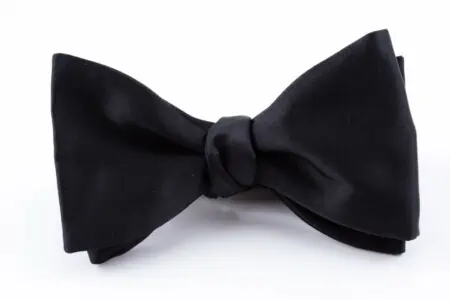
- Black self-tie silk bow tie to match lapel facings
- (Black silk long tie has become a popular alternative, although it is rejected by traditionalists)
6. Footwear
- Black shoes can be:
- Patent or highly polished leather oxfords (most popular)
- Patent or highly polished leather pumps (most traditional)
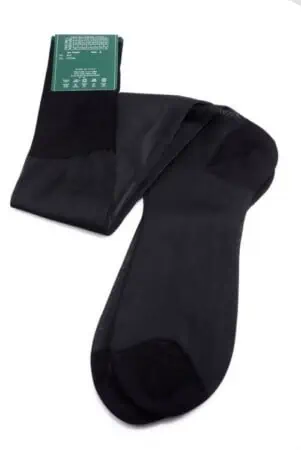
- Socks/hose of black silk or other fine fabric, over-the-calf length
7. Accessories
- Harmonizing black, gold, or mother-of-pearl studs and cufflinks
- Suspenders (braces in the UK) of black or white silk
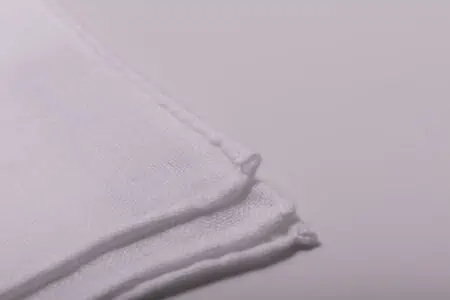
- Optional white silk or linen handkerchief as pocket square
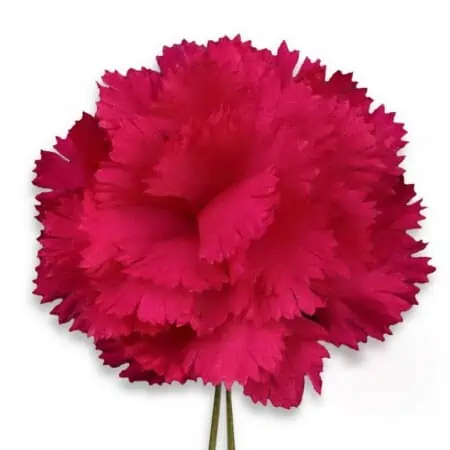
- Optional boutonniere; white or red carnation is most traditional
Outerwear
- Chesterfield coat is most conventional, but any other dark dressy coat is acceptable
- Raincoats and trench coats are NOT appropriate
- Evening dress scarf; white silk with tassels is most traditional
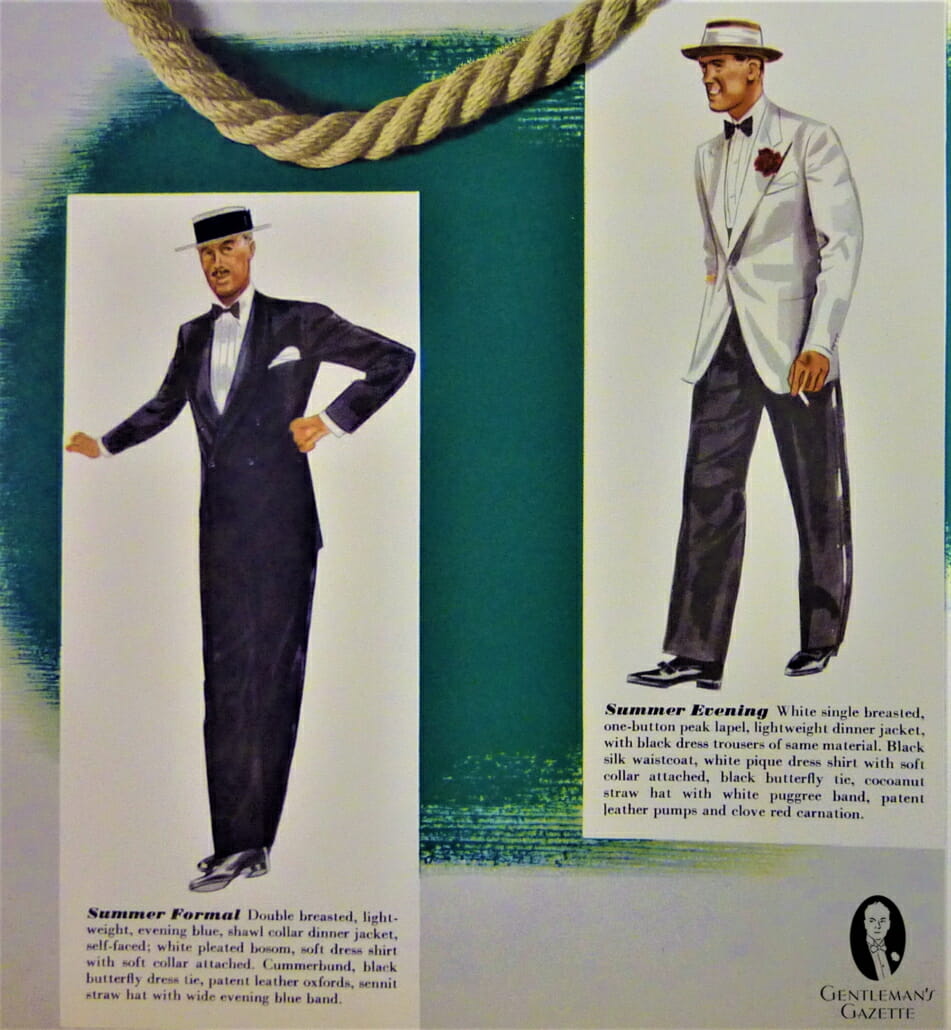
Warm Weather Black Tie Outfit
Warm-Weather Variations of Black Tie
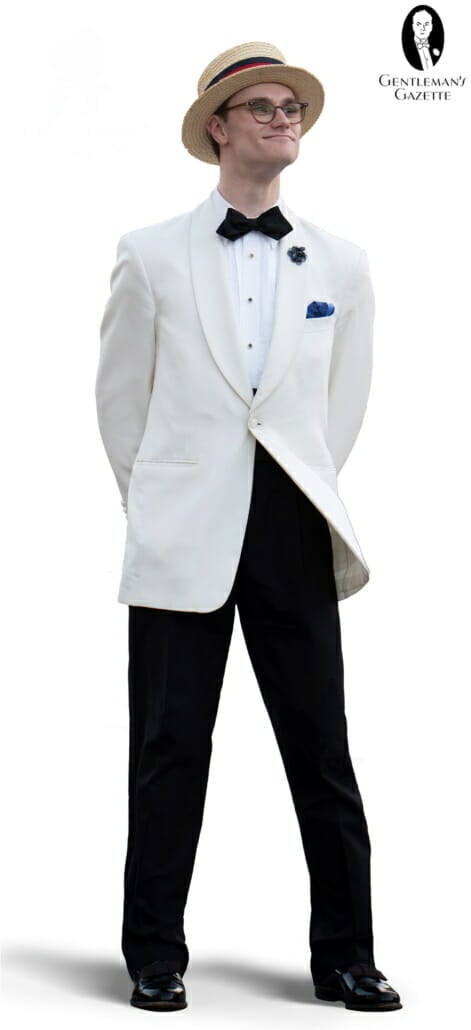
Acceptable as a substitute to standard black tie year round in tropical climates and in summer in North America.
1. Jacket
- Ivory is preferable, white is acceptable
- Self-faced lapels
- All other details as per classic jacket
2. Trousers
- Black
- All other details as per standard black-tie trousers
3. Waist covering
- Black cummerbund; waistcoats do not harmonize well with the light jacket
4. Shirt
- As per standard black-tie shirt
5. Neckwear
- As per standard black-tie neckwear
6. Footwear
- As per standard black-tie footwear
7. Accessories
- Optional colored silk or linen pocket square
- All other details as per standard black-tie accessories
The Black Tie Dress Code’s Variety
Obviously, proper black tie is a far more specific dress code than anything the average man is likely to encounter outside of the military. What may not be so obvious, especially to the novice, is just how much of this seemingly restrictive list is actually optional. Take a second look and you will see that much of black tie’s dress code is not about what you must wear but what you may wear. It is this extent of choice that lies behind black tie’s genius – not to mention its survival in the face of contemporary trends that have virtually banished the far more austere white tie dress code.
In fact, the amount of choice can be a little overwhelming. But don’t worry, the Relative Formality discussion will help you narrow down the choices based on what is appropriate for various types of occasions and the Classic Black Tie section will help you achieve your desired look based on how each option impacts the end result.
For more information on formal dress codes and variations on the black tie code (e.g. Black Tie Optional) see Formal Dress Codes.
Explore this chapter: 2 Black Tie & Tuxedo Etiquette