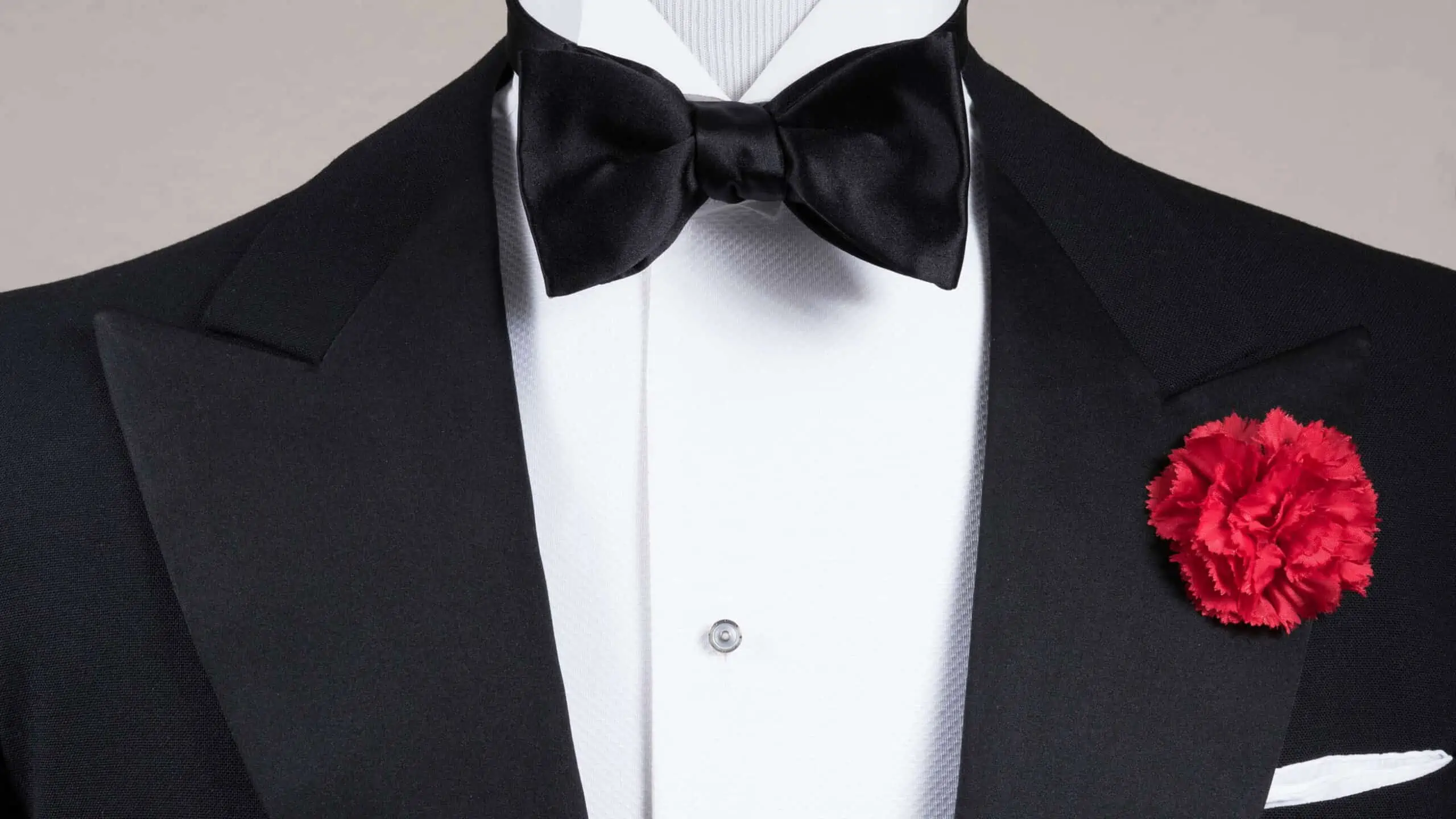
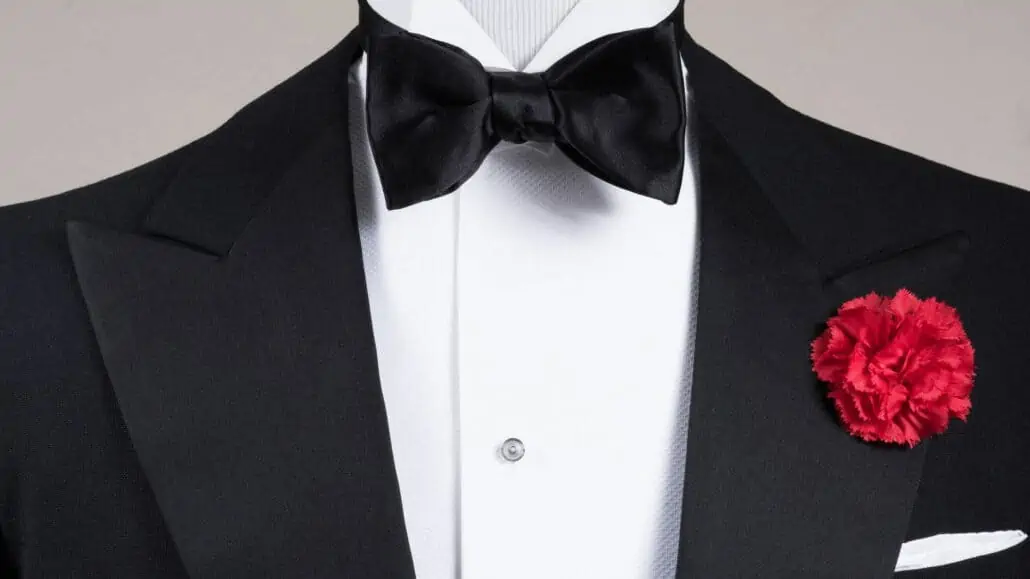
For a man, no other form of dress is as steeped in such a ritualistic sense of propriety as formal wear. There is something so elegant about the simplicity of black and white, with its stark contrast and lack of pattern, that when the elements are properly put together, they present a man at his most debonair.
Alan Flusser Author Dressing The Man

A Formal Introduction: After-Six Elegance
Considering that black tie began as dining attire for Victorian aristocrats its longevity and ongoing popularity have been nothing short of astonishing.
It is almost inconceivable that such a regulated and formal dress code has managed to withstand the informal dressing and casual manners affected by two World Wars, a counterculture revolution and GenX infantilism.
The Classic Tuxedo Has Survived More Than 100 Years
Yet the classic tuxedo has not only survived more than one hundred years of adversity but has evolved into an icon of male elegance in the process. Its allure has been immortalized by some of the best dressers of the twentieth century from bon vivants Cole Porter and Noel Coward, to suave hipsters Dean Martin and Frank Sinatra to the fictional playboy superspy, James Bond.
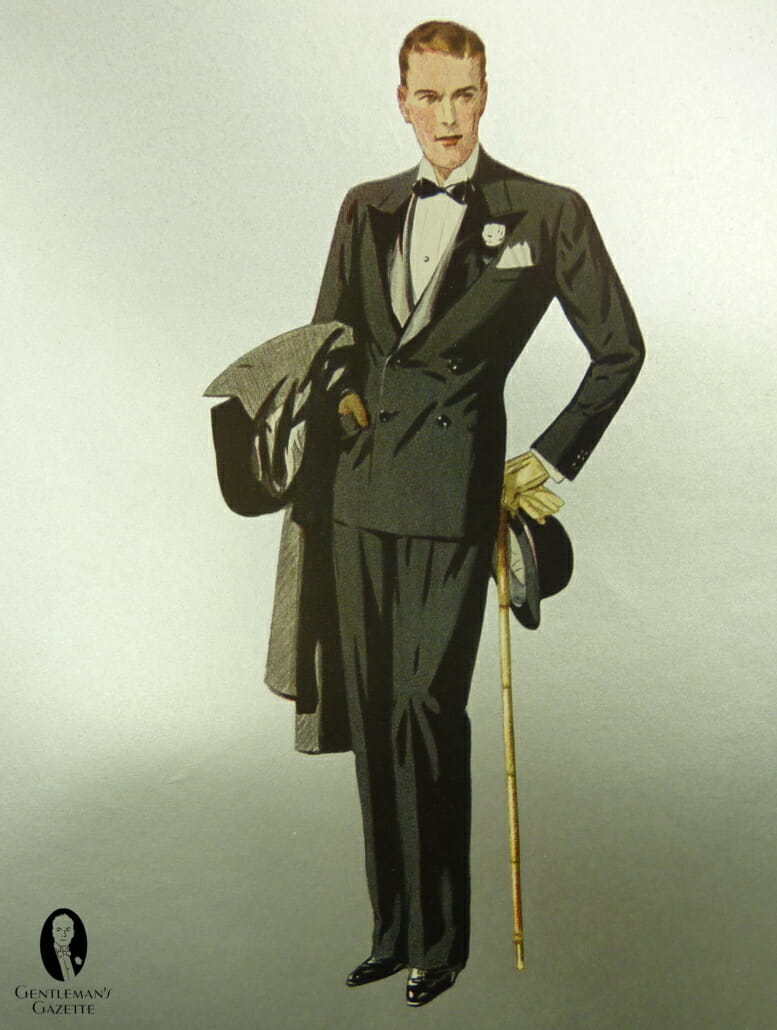
This triumph over a century of tremendous adversity would never have been possible for a fashion that was merely a product of its era. Instead, black tie has survived because it embodies principles of style so fundamental that they transcend time and place.
Furthermore, it does so without the exacting requirements and stiff garments of white tie, its even more formal but virtually extinct progenitor. Thus, despite the tired clichés about waiters and penguins, the fact is that the conventional dinner suit remains unparalleled among modern garments in its ability to transform a man and inspire an evening.
Classic Black Tie Elevate A Man To A Gentleman
For the wearer the magic begins the moment he dons this last remnant of upper-class attire. While any good suit will transform a boy into a man, classic black tie elevates a man to a gentleman. It employs ingenious aesthetic techniques to make the wearer look taller, stronger and younger, the embodiment of the male ideal. “Nature created men unequally,” the Wall Street Journal once observed, “tuxedos were invented to even the score.”
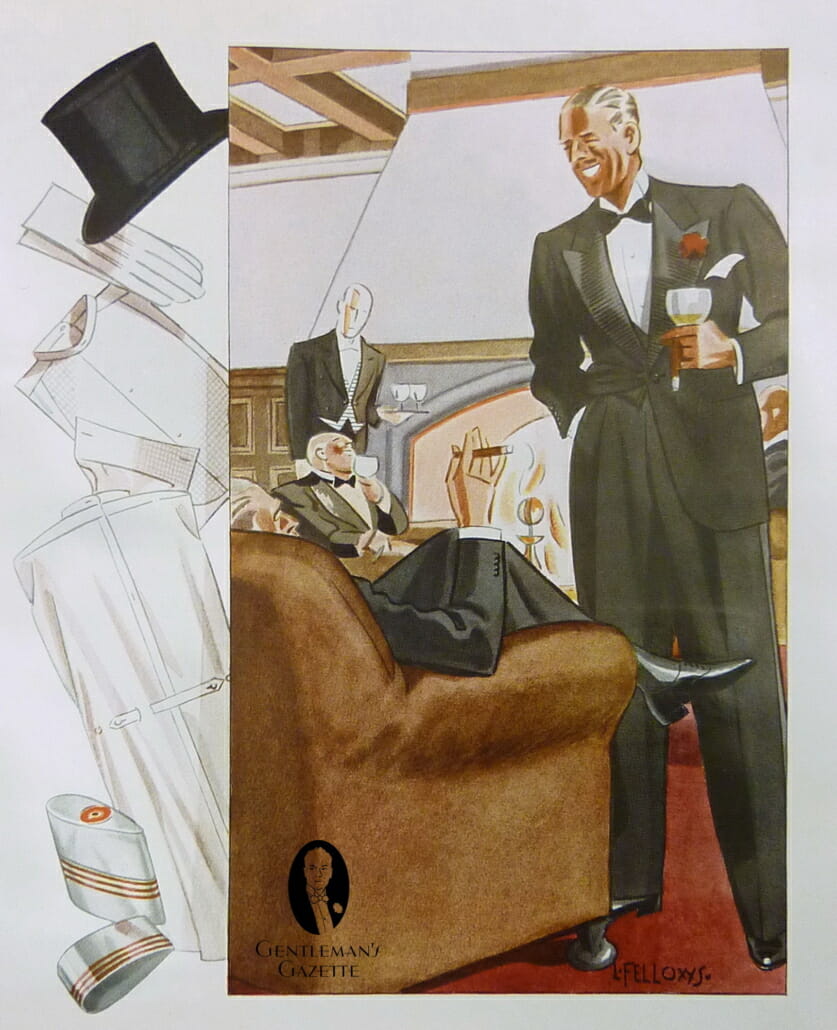
Once dressed the wearer becomes a part of black tie’s rich tradition of civilized decorum. Without a word, his appearance announces his respect for a host’s desire to instill an evening with a sense of the exceptional.
Tuxedos Are For Special Days
This same sartorial complement is extended to his female companion by emphasizing her colored finery and sensuous décolletage through their contrast to his understated civilian uniform. Besides echoing a chivalry of days gone by, this visual distinction between genders also fosters a sartorial camaraderie amongst fellow males.
The overall result, in the words of Robb Report magazine, is that “of all the days that blend into years that drift into the past, tuxedo days are, without exception, special days.”
For Black Tie Execution Is King
But like all magic, successful execution of black tie is dependent upon a competent practitioner. When the average man faithfully followed the rules of formal dressing as laid down by its most distinguished patrons the tuxedo’s trade secrets were common knowledge. Then along came the baby-boomers, the “don’t trust anyone over thirty” generation, who viewed their parents’ traditions and formality as relics of the past.
In their infinite youthful wisdom, they reinvented the tuxedo as a powder-blue, clip-on polyester wedding costume. Subsequent generations of Americans consequently grew up oblivious to the existence of black tie’s fundamental principles, believing the tuxedo to be little more than party clothes dictated by the whims of fashion and the hues of bridesmaid dresses.
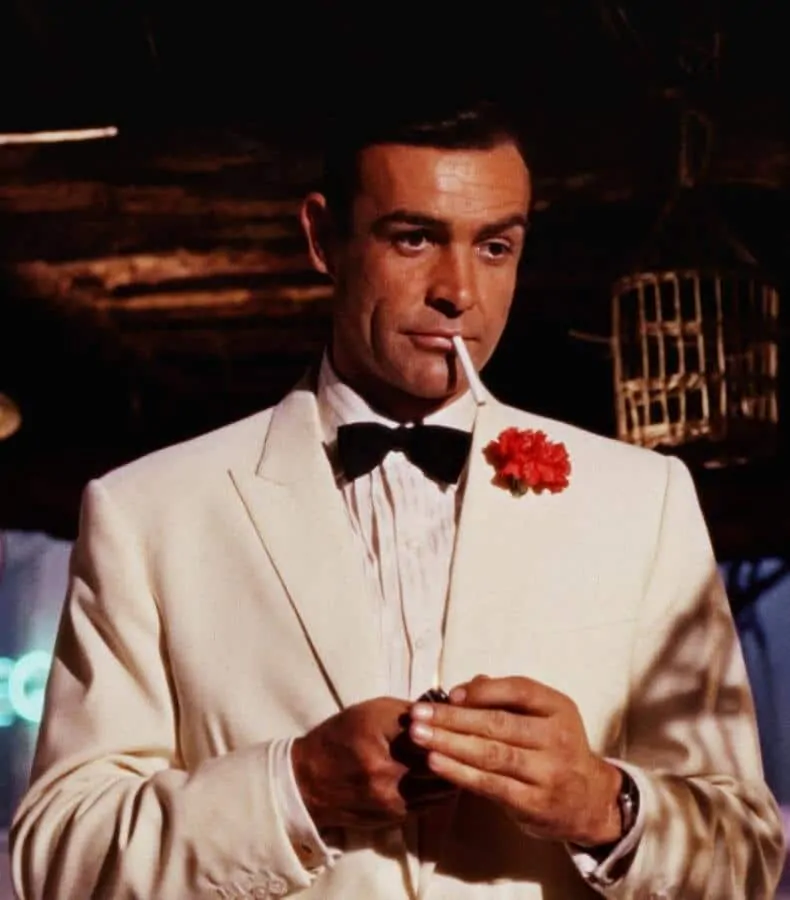
The Fine Line Between James Bond & A Waiter = Knowing The Rules of Black Tie
And so we arrive at today’s world where well-intentioned prom-goers and grooms set out to channel James Bond but end up dressed like the waiters who are serving them.
The Black Tie Guide is your ticket out of waiter-dom. By assembling the lost knowledge of our forefathers and their tailors this primer contains all the information necessary to maximize the full potential of the tuxedo.
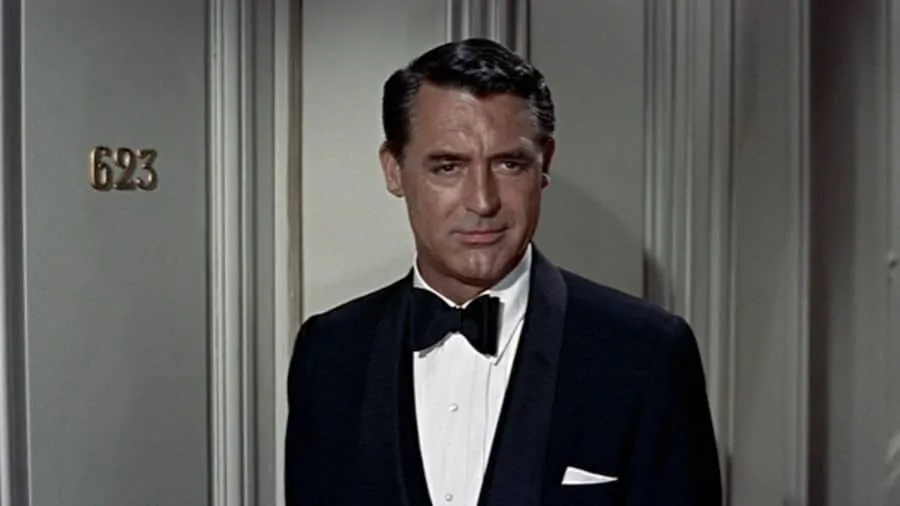
It applies to all men, regardless of their financial means or their sartorial skills (which is why some of the style advice may seem ridiculously basic to experienced suit wearers). Whether renting or buying, this site will establish you as a master of black tie and prepare you to release your inner Cary Grant, George Clooney or even double-O seven.