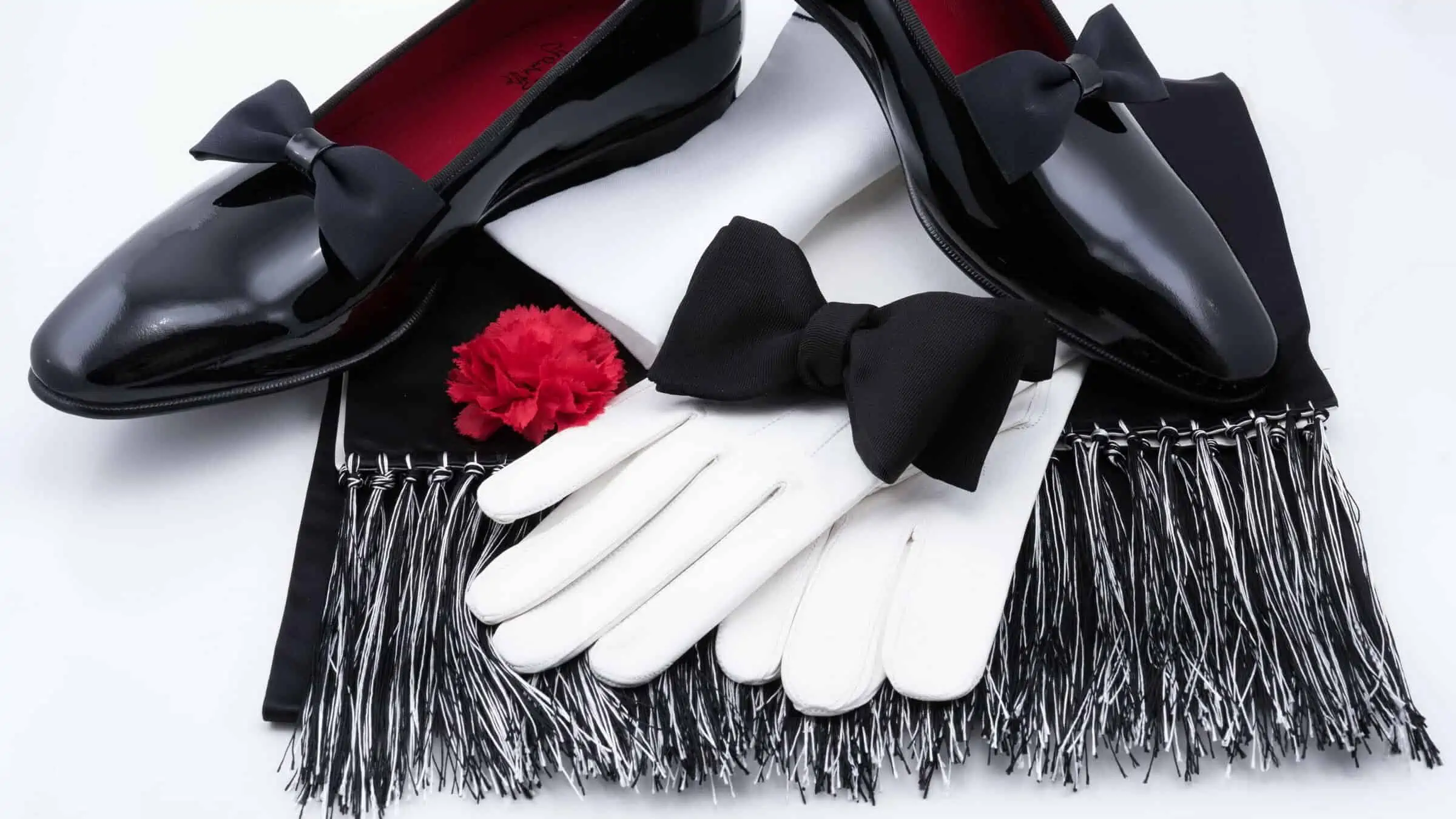
Although this Guide is almost entirely dedicated to a black-tie outfit’s compilation, it is important for novices not to overlook the role of proper implementation.
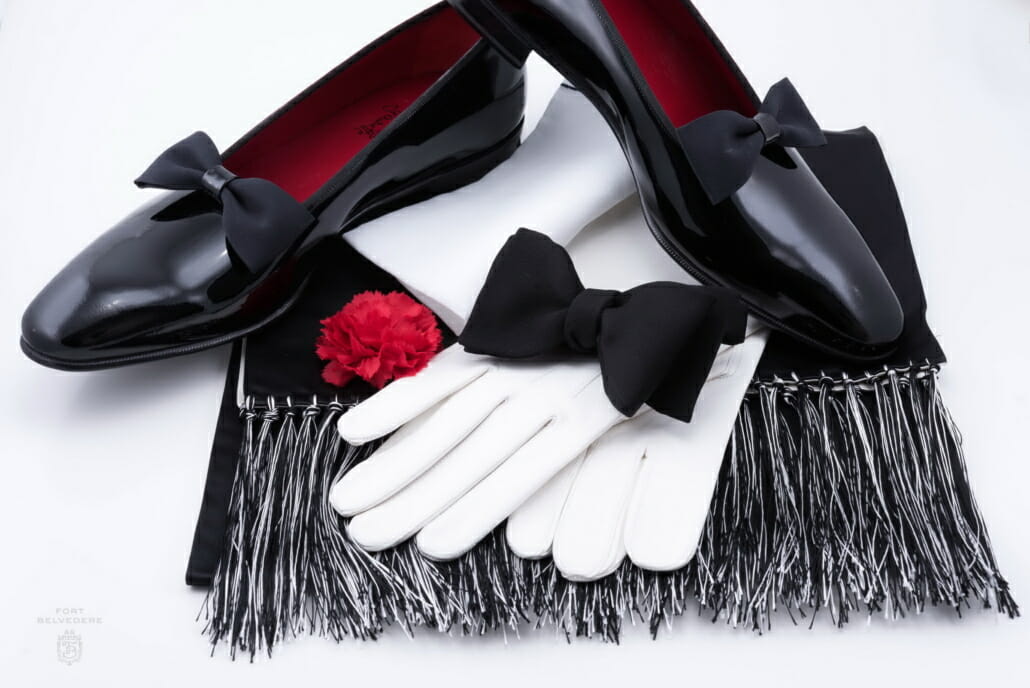
Plan Ahead When Preparing for Black Tie Events
To avoid a frustrating race with the clock, make sure that plans for a formal evening include ample preparation time. The following tips will also help the dressing process to go smoothly:
- If time will be tight on the evening of the event, lay out clothes the day before; this practice also allows for any last minute cleaning, repairs or replacements that might be required
- Before getting into the shower, attach suspenders to trousers and insert cufflinks and studs (half way) into the cuffs and shirt front
- Remember to allow time to shower and shave before dressing: this is going to be a big night and a five-o’clock shadow just isn’t going to cut it
- If prone to overheating after a hot shower be sure to turn up the air conditioning in advance
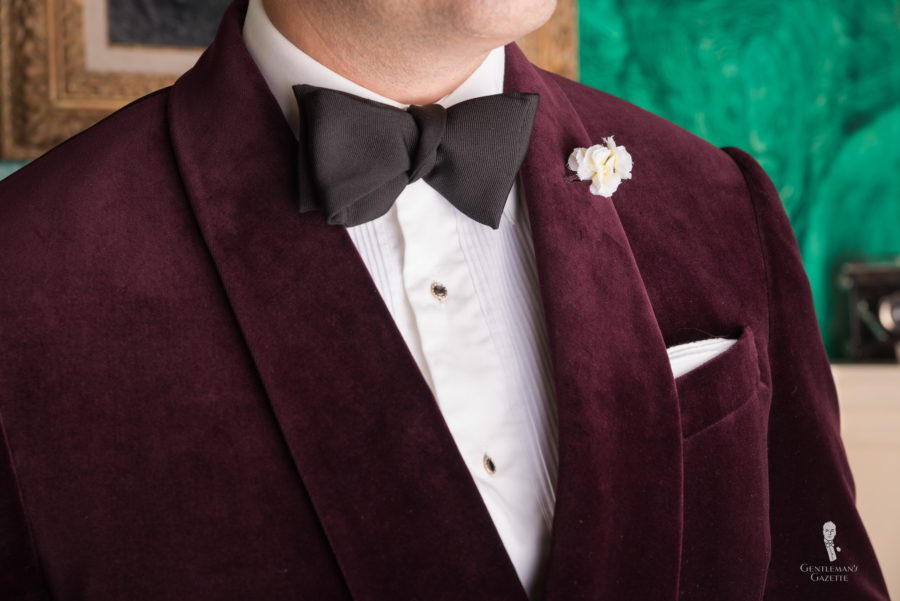
Most importantly of all, do not wait until the evening of the event to learn how to tie a bow tie. Book some practice time in the calendar to get the process down pat at least a day before.
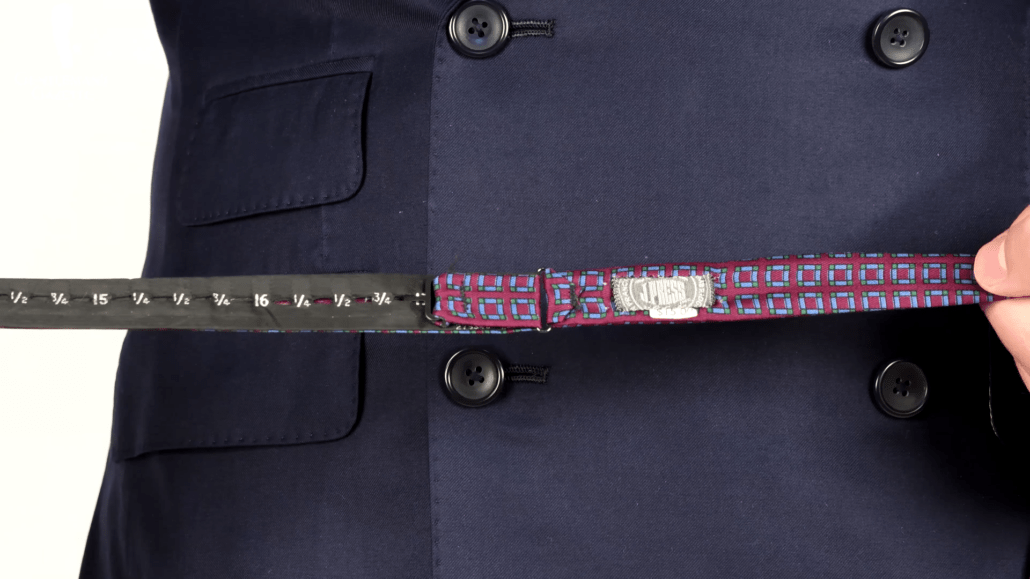
And don’t forget that adjustable models can be tied in advance then attached like a pre-tied later on, making your evening’s preparations that much more stress-free.
In cold weather, premium shoemakers John Lobb recommend warming patent leather shoes slightly before wearing as this will help to preserve the lacquered surface.
Cleaning & Maintaining Your Black Tie Ensemble
To further minimize any unnecessary panic before the next black-tie affair – which may arrive with only a few days’ notice if you’re avidly looking for opportunities – make sure everything is cleaned and repaired as necessary soon after each use.
Suits, Tuxedos & Jackets
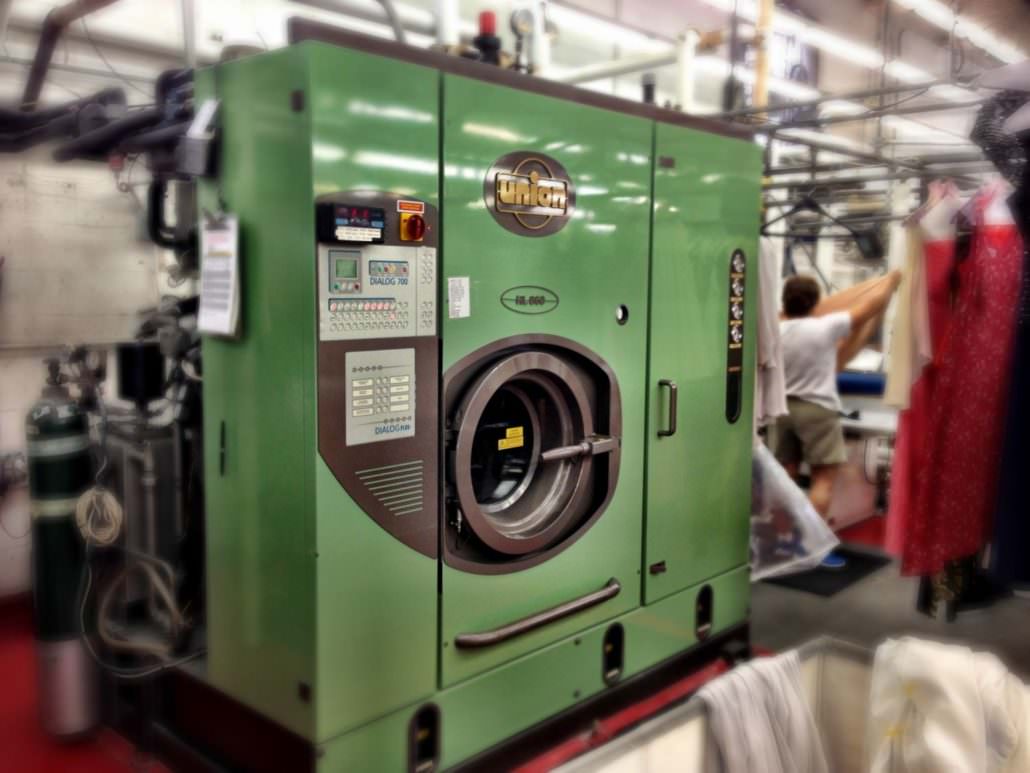
Like any suit, a tuxedo should be dry-cleaned as little as possible. This is because the chemicals used in the process tend to dry out the natural moisture of a suit’s fabric and consequently reduce its lifespan.
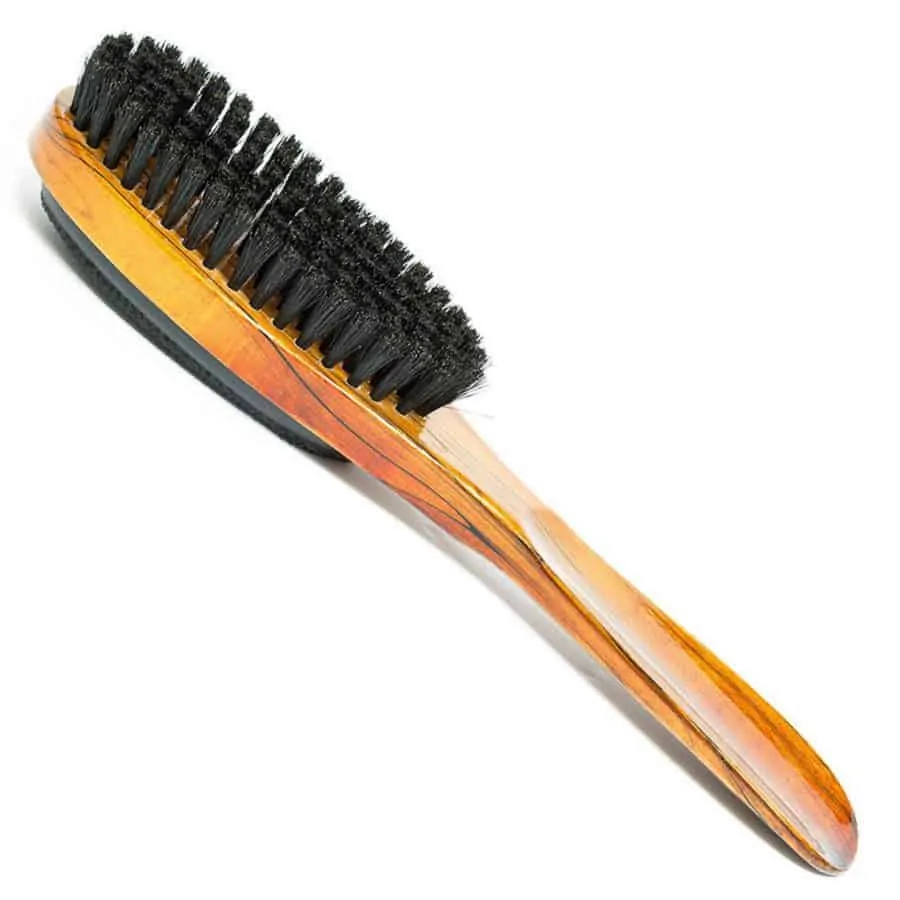
Instead, keep the suit fresh by following a few simple steps after wearing:
- Brush out superficial dirt and raise the nap of the fabric with a good clothes brush
- Remove wrinkles with an iron at home or with professional pressing at a dry cleaner
- Remove minor stains with a damp cloth
- Hang the suit up in a washroom or laundry room to air out before and after wearing
- Remove odors by spraying the suit with vodka – yes, vodka! – which will have no negative effects on the fabric but will help abate mustiness
For those times when dry cleaning is necessary for either the jacket or trousers, The Encyclopedia of Men’s Clothes wisely recommends that both garments be cleaned together in case the process affects their coloring slightly.
Formal & Tuxedo Shirt Care
Shirts should be laundered only, never dry cleaned.
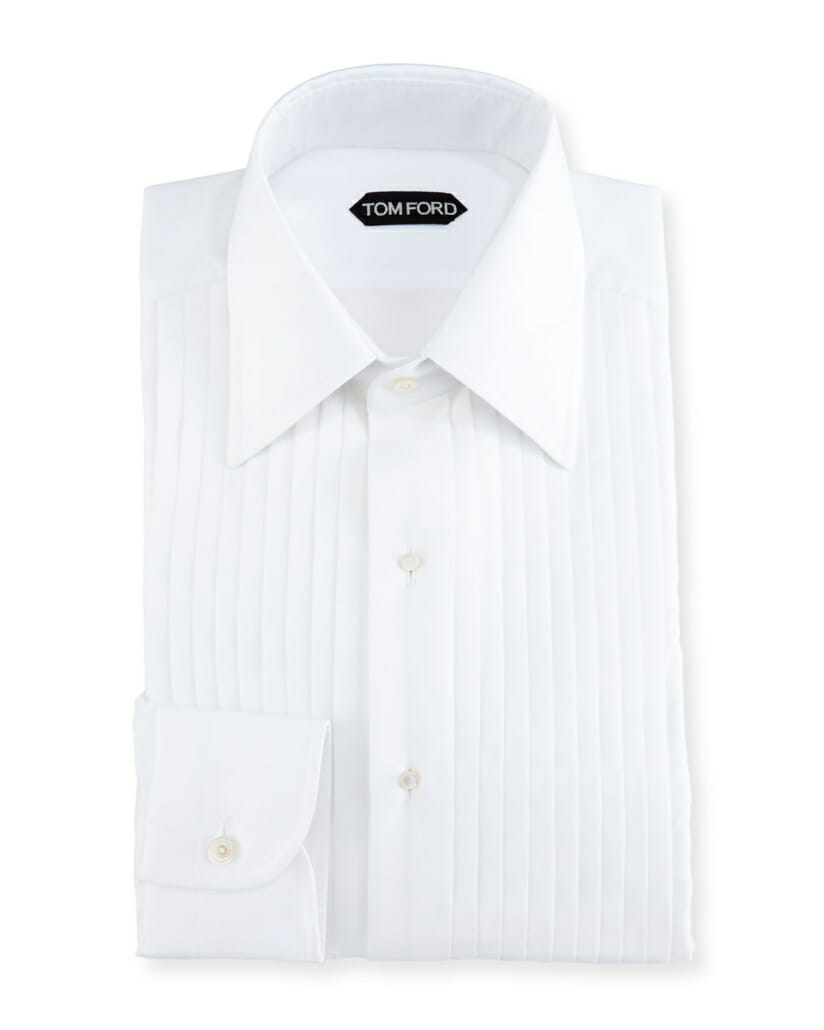
When laundering a stiff-front shirt, only the bib, cuffs and collar should be heavily starched. The rest of the tunic should be starched lightly or not at all. Since starching reduces a shirt’s life consider doing it only with every other cleaning.

Turn-down collars should be hand-pressed when professionally laundered in order to avoid unwanted sheen along the edges where the fabric is thicker.
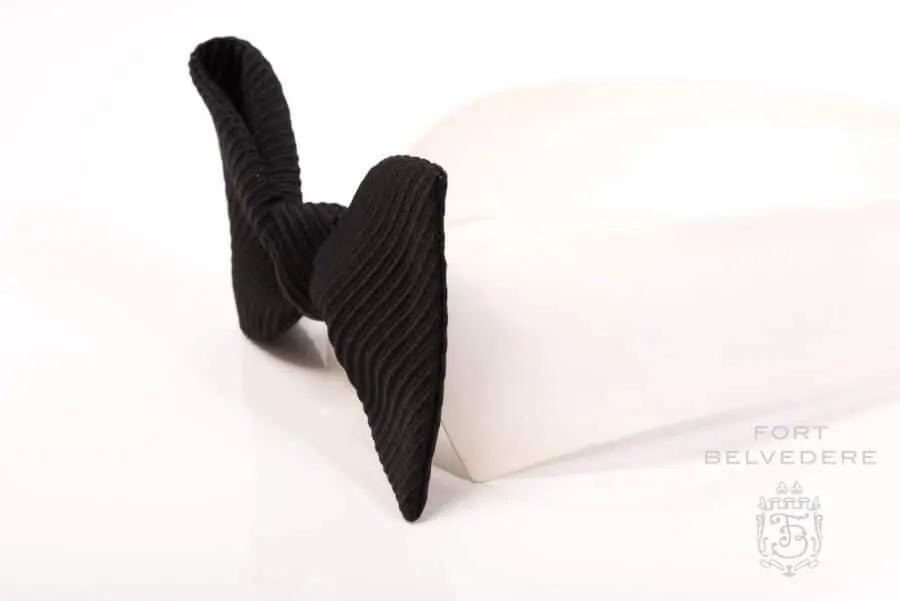
As for detachable collars, there are very few cleaners left in the world who know how to properly starch such items. Jeeves of Belgravia, Shrewton Steam Laundries and Barker Group for expert laundering and re-starching of collars and other full-dress linens.
Fortunately, Barker offers their services to customers around the world by mail.
Do-It-Yourself Laundry
For do-it-yourselfers, a reader from New York highly recommends the following instructions from a 1912 laundry booklet posted at The Fedora Lounge:
- Begin by finding laundry starch, which is really just rice starch. Look in the Asian food section of your local grocer; Tapioca starch is an alternative that gives a nice finish.
- You need 1 tablespoon of starch and 1 cup of water. [Others suggest up to 4 tablespoons of starch based on the size of the collar and desired stiffness.]
- Mix the starch with just a little of the water in a shallow bowl until it’s smooth; then add the rest of the water.
- Take the collar (dry) and dip it into the starch mixture two or three times, rubbing to get the starch grains into the collar. Press out the water between dippings.
- Stretch it out evenly on a clean towel and roll it up tightly in the towel. Let it sit for 30 minutes minimum. The drier the collar is, the less time it will take to iron.
- Unroll everything and stretch the collar a bit (gently) then start ironing. The iron needs to be really hot because you’re actually cooking the starch! Start ironing from the inside first. If you have extra fullness of fabric, iron it towards the center.
- Iron the front and back alternately, carefully pressing down the wing tips on the front, until fully dry. In a pinch, you can let it dry completely overnight after ironing a bit.
- For the impressive finishing touch, you have to curl it. This is just like curling ribbon on Christmas presents: hold one end of the collar; put the iron down as close to your fingers as you can; press down on the iron and pull the collar through. Do this a couple of times and your collar will be beautifully round!
Patent Leather Tuxedo Shoe Cleaning
Before cleaning shoes, remove dirt particles from seams with a soft shoe brush.
Keep in mind that patent leather is leather coated in a synthetic finish which means it should be treated like a plastic object instead of a natural material. So forget about normal shoe polishes and creams and instead wipe down the footwear with a soft, cotton cloth and and special patent leather shoe care cleaner.
If you are in a hurry, glass cleaners and furniture sprays such as Windex and Pledge work for cleaning and removing scuffs, yet over time they will degrade the shiny patent leather finish and will make it look dull, whereas specific patent leather products are chemically formulated to make your patent leather look great for years to come.
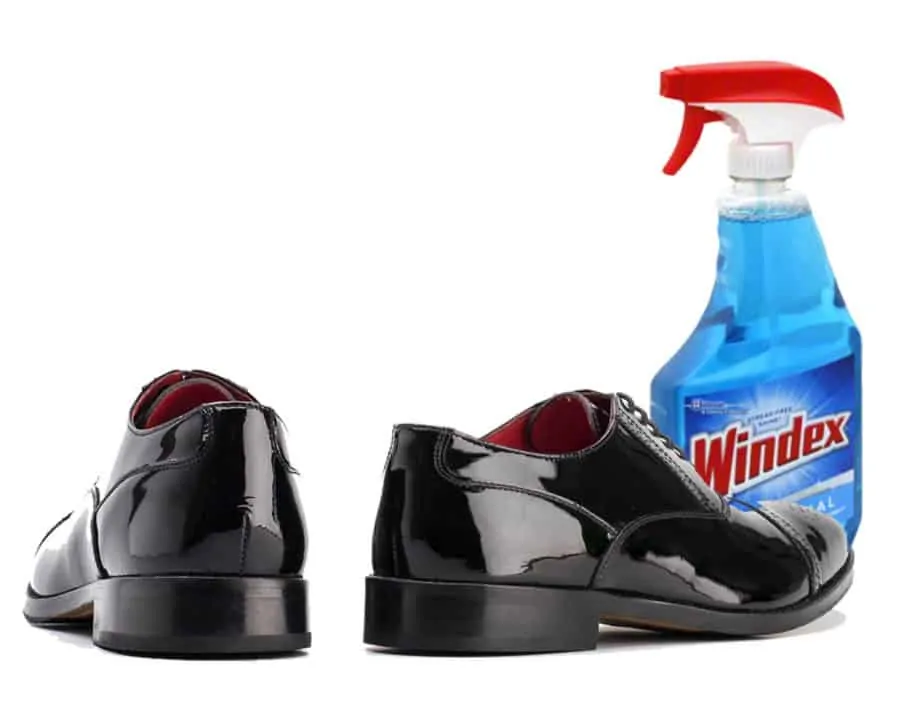
After cleaning, allow the shoes to dry thoroughly then shine them by rubbing with a soft, smooth cloth.
When necessary, have a shoemaker touch up scrapes on the soles’ edges and replace heels when they become worn.
Proper Tuxedo Storage
Hang suit jackets on shaped wooden hangers designed to approximate the contour of the jacket. This will help keep the garment’s shape when it is being stored.
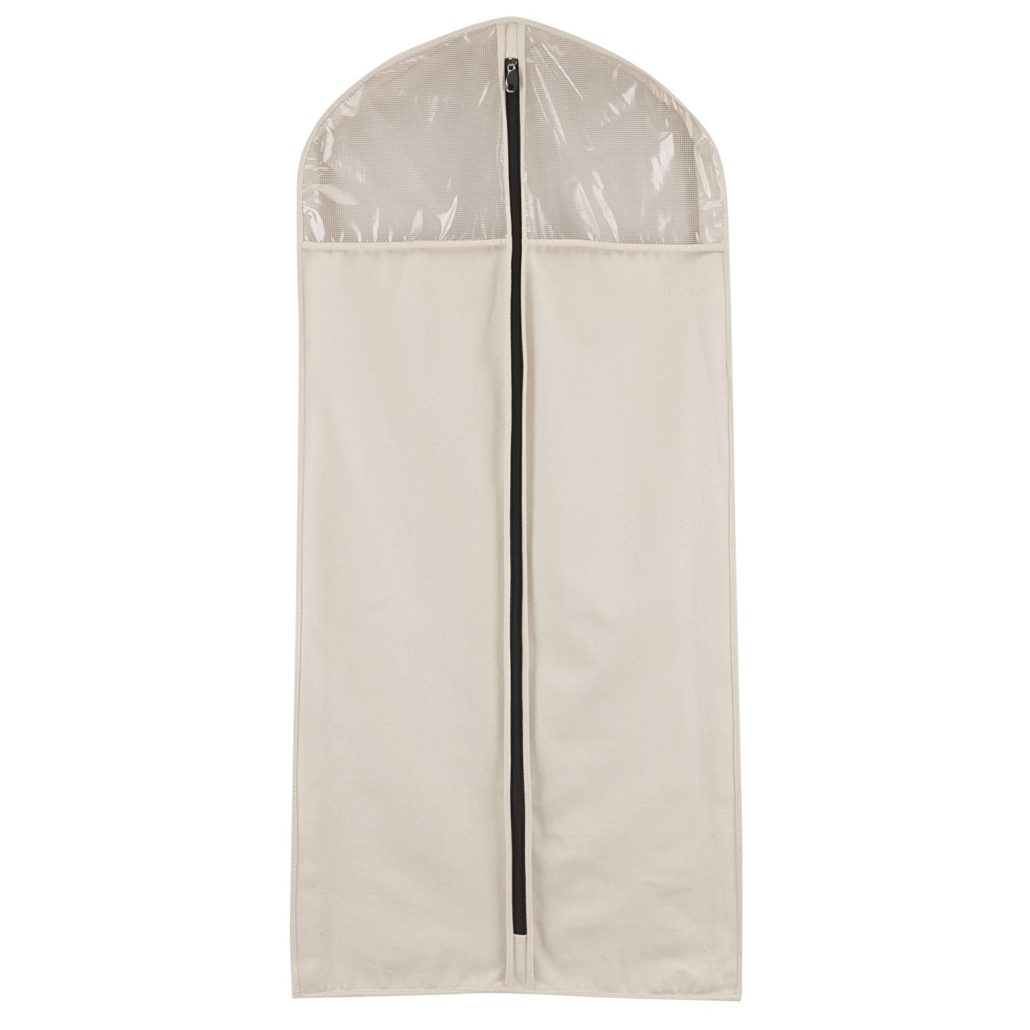
Cover the suit with a cloth garment bag to keep it free from dust and moths. Don’t use the plastic cover that came with the suit because it won’t allow the natural fibers to breathe and it won’t let harmful moisture escape.
Similarly, shoe trees should be used to maintain the size and shape of dress shoes and to help avoid creases. Cedar trees are preferable to plastic as they absorb moisture that will otherwise build up in the leather after each wearing. To be effective, trees must be placed in the shoes immediately after wearing when the leather is still warm and pliable.
Shoes should be stored in individual cotton shoe bags to protect the patent finish from getting scratched.
Traveling with a Tux
If traveling by car, lay the tuxedo flat or hang it up. It can be handy to pack the accompanying formal shirt, waist covering, and accessories in the same garment bag to help ensure that nothing is accidentally left behind.
If flying, carry your tuxedo on the plane in a garment bag in the same manner – avoid checking it in your suitcase whenever possible, as it would be impossible to replace.
If traveling by other means, some creasing of the dinner suit is inevitable. However, this can usually be easily remedied by hanging the tuxedo in the bathroom after arriving and running the hot water in the shower or bathtub for fifteen to thirty minutes.
Finding the Right Dry Cleaner
Cleaned and Pressed

Find a dry cleaner that specializes in formal wear to avoid damage to your tuxedo’s silk trim. A good dry cleaner will also be able to make minor repairs as needed.
Alternately, press your tuxedo at home using these instructions which also explain why steaming suits is not recommended.
No Plastic Garment Bags for Your Tuxedo
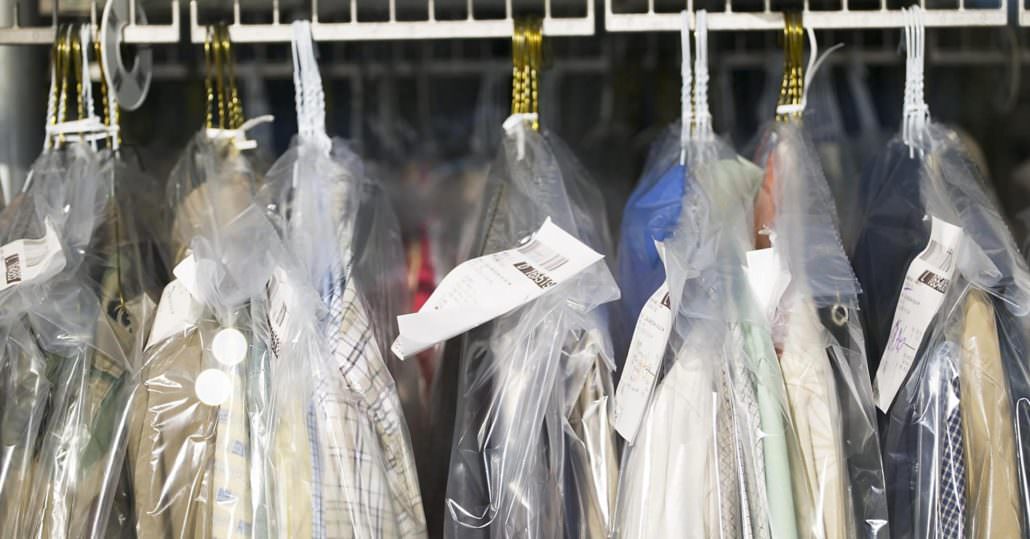
The plastic covers provided by dry cleaners should be removed to let the chemicals dissipate and prevent yellowing of white fabrics.
Explore this chapter: 6 Tuxedo Fit & Style Basics 101