Jacket Model and Style
The Rules:
- Jacket Model and Style
- The Classic Two-Button Single-Breasted Jacket
- The Fadish Three-Button Single-Breasted Jacket
- The Deluxe Six-Button Double-Breasted Jacket
- The Slimmed Down Two-Button Double-Breasted Jacket
- Lapels: A Small Detail with a Big Impact
- Jacket Fabric
- Jacket Finishes
- Contemporary Trousers
- Cut & Fit of the Contemporary Tuxedo
- Fancy Trimmings for Contemporary Formalwear
- Jackets can be single- or double-breasted
- One button is traditional for single-breasted models but two buttons are becoming more popular
The Classic Two-Button Single-Breasted Jacket
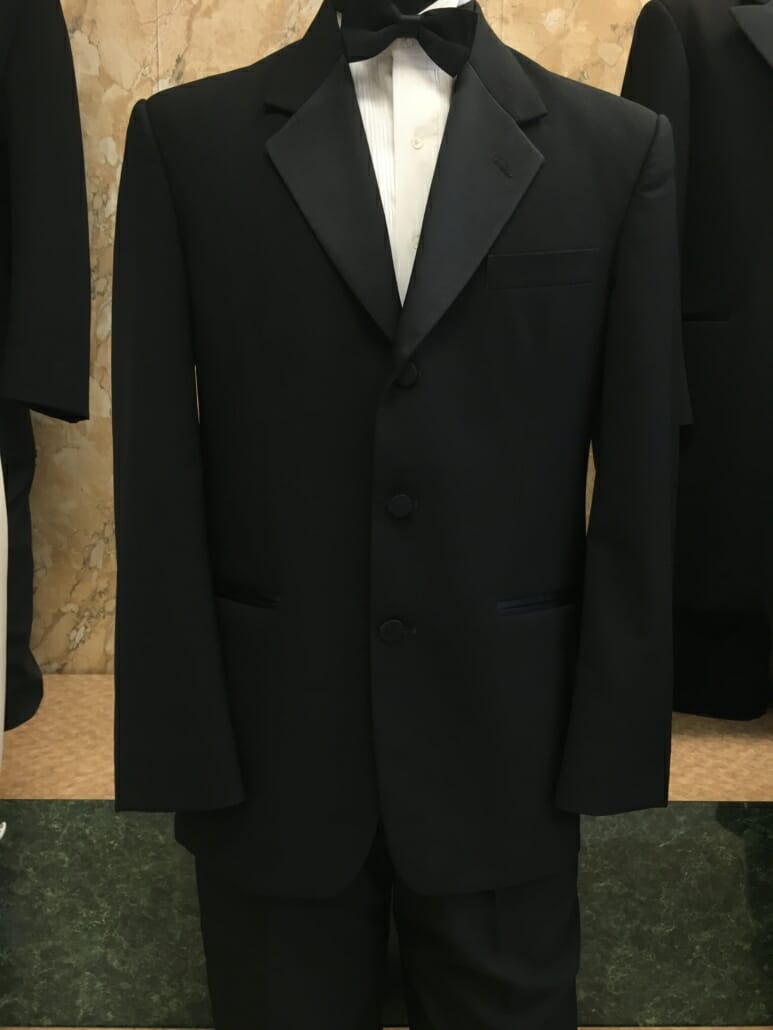
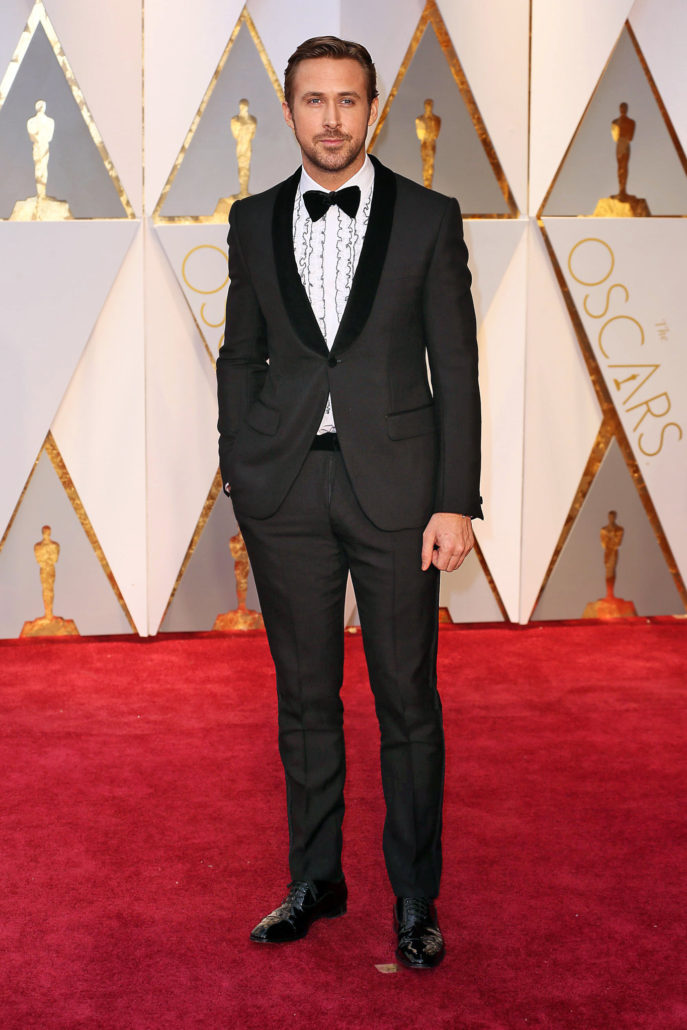
The single-breasted model remains the most popular type of tuxedo jacket and its classic one-button interpretation is still the most formal. A modern variation is the two-button version based on business suit styling. When constructed with traditional detailing and paired with conventional accessories it can be somewhat successful at mimicking the classic dinner jacket. Conversely, dressing it down with notched lapels (the most common lapel on two-button models), flap pockets, a long tie, and exposed waist will draw attention to the style’s pedestrian pedigree.
The rule for fastening the bottom button of contemporary dinner jackets is the same as for standard suit jackets: leave it undone.
The Fadish Three-Button Single-Breasted Jacket
This turn-of-the-millennium fad is a great way to ruin a tuxedo. See Contemporary Alternatives for all the morbid details.
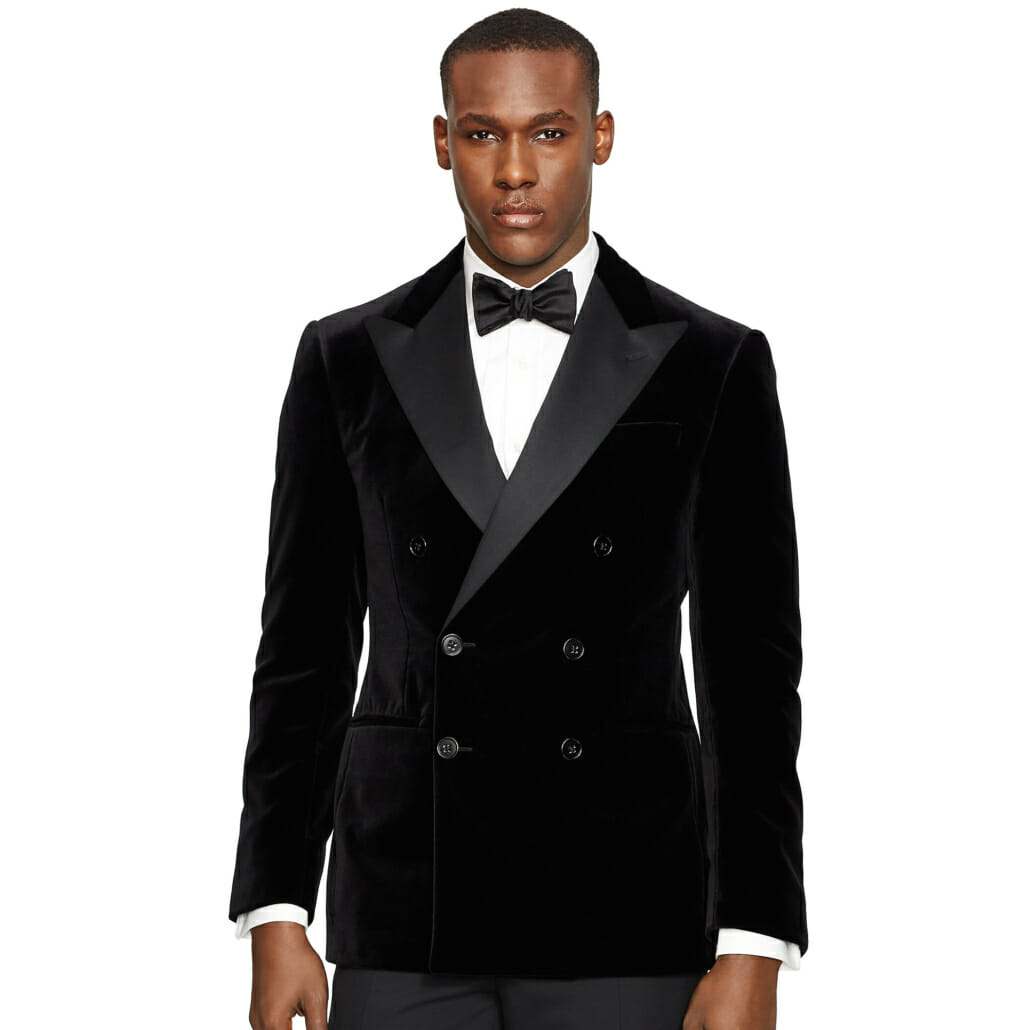
The Deluxe Six-Button Double-Breasted Jacket
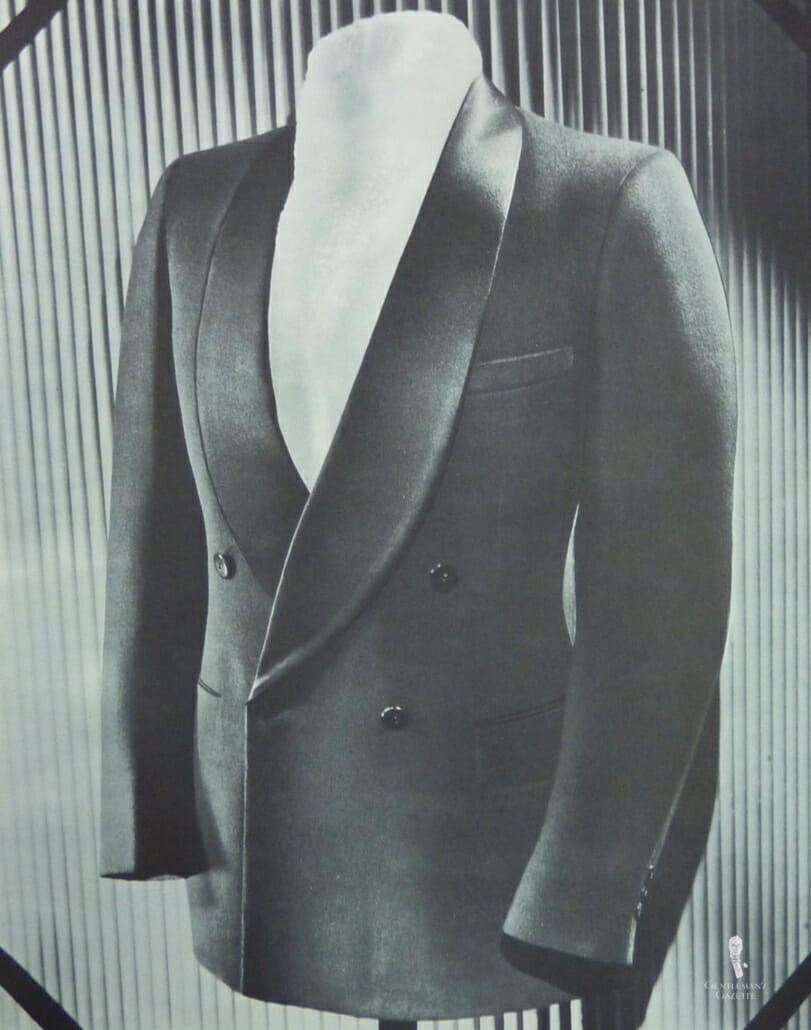
A 4×1 button configuration, meaning 4 buttons with one that is actually buttoned, is a classic standard for double-breasted jackets but the six-button variation has been the contemporary standard since the 1980s. It comes as a 6×2 version with two closing buttons or the 6×1 version which works particularly well for evening wear because it exposes more of the tuxedo shirt front. At the same time it created a longer lapel line an it makes the lapel appear bigger.
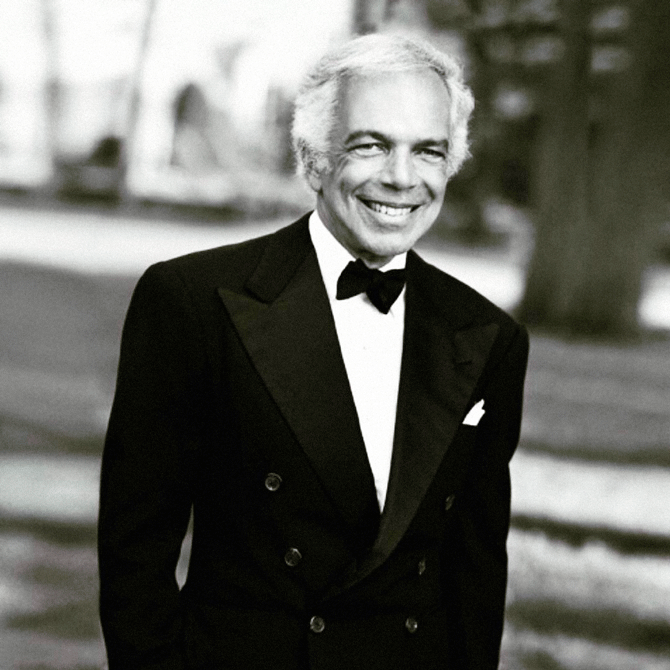
The buttons can be arranged in informal wear’s traditional keystone pattern (the top pair further apart than the other pairs) usually fastening with the middle and/or bottom buttons, or in a trapezoid pattern (converging vertical rows) first popularized in the eighties and always buttoning at the bottom. Most often paired with a peaked lapel, the double-breasted 6 button model remains an essentially classic look, albeit slightly busier than its four-button predecessor.
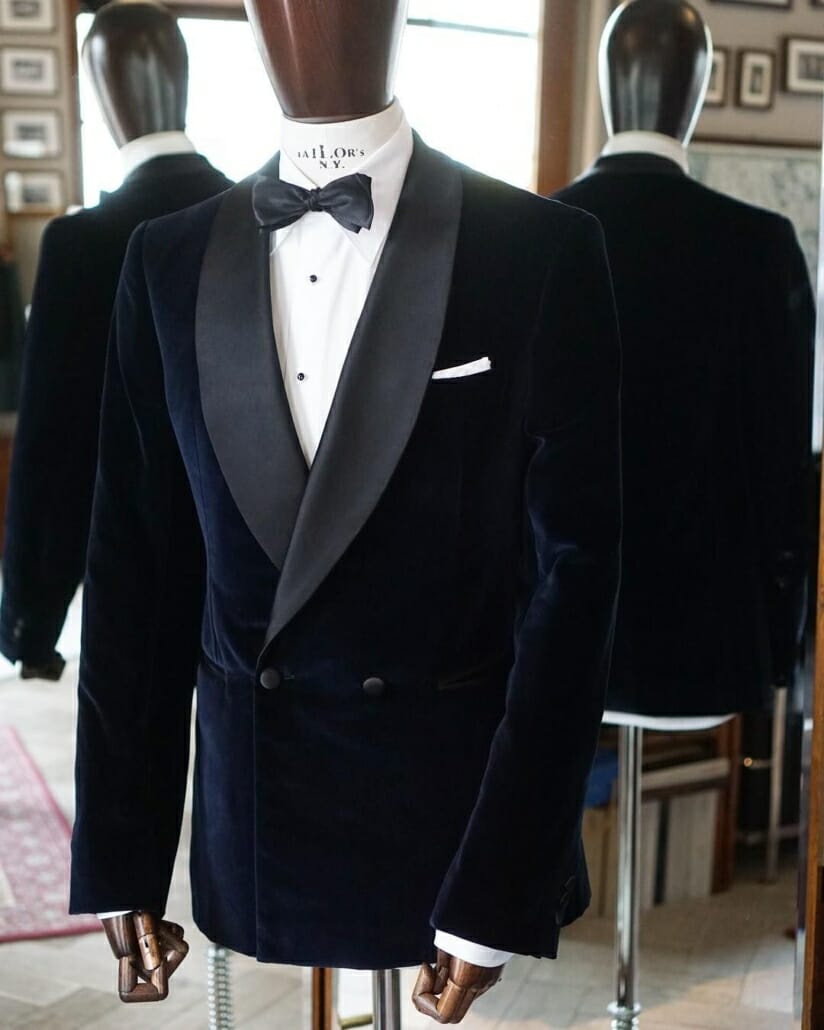
The Slimmed Down Two-Button Double-Breasted Jacket
The two-button double-breasted dinner jacket has made sporadic appearances ever since the 1920s. It provides much the same look as six- or four-button models that close with the bottom button but without the extra clutter of those more traditional choices.
Lapels: A Small Detail with a Big Impact
The Rules:
- Shawl and peaked lapels are the most traditional
- Notched lapel tuxedos make you look very pedestrian
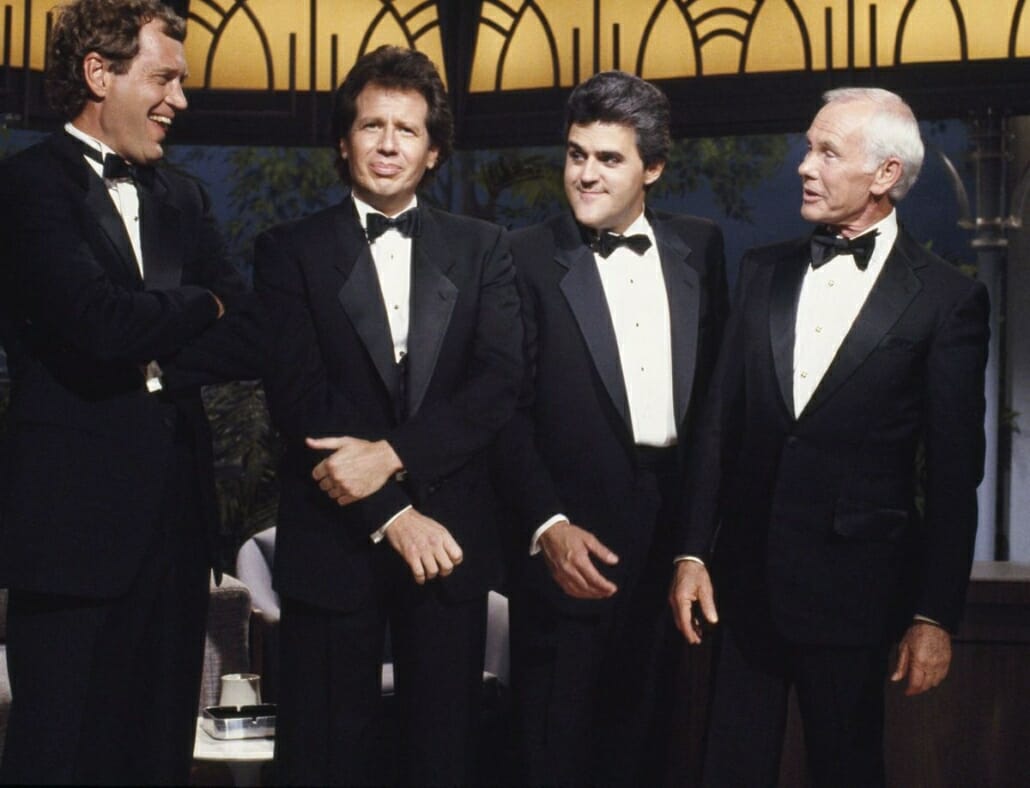
The notch lapel gained widespread popularity in the 1980s and is now the most common option on (single-breasted) dinner jackets. It has been endorsed by reputable dressers such as George Clooney and is offered by some of the most conservative menswear designers including the esteemed Brooks Brothers. Despite all this, it is incongruous with evening wear.
Unlike the peak lapel which imports the tailcoat’s formality and the shawl collar which channels the smoking jacket’s relaxed elegance, the notch lapel originated on the common day suit and brings nothing to the dinner jacket but a functional banality.
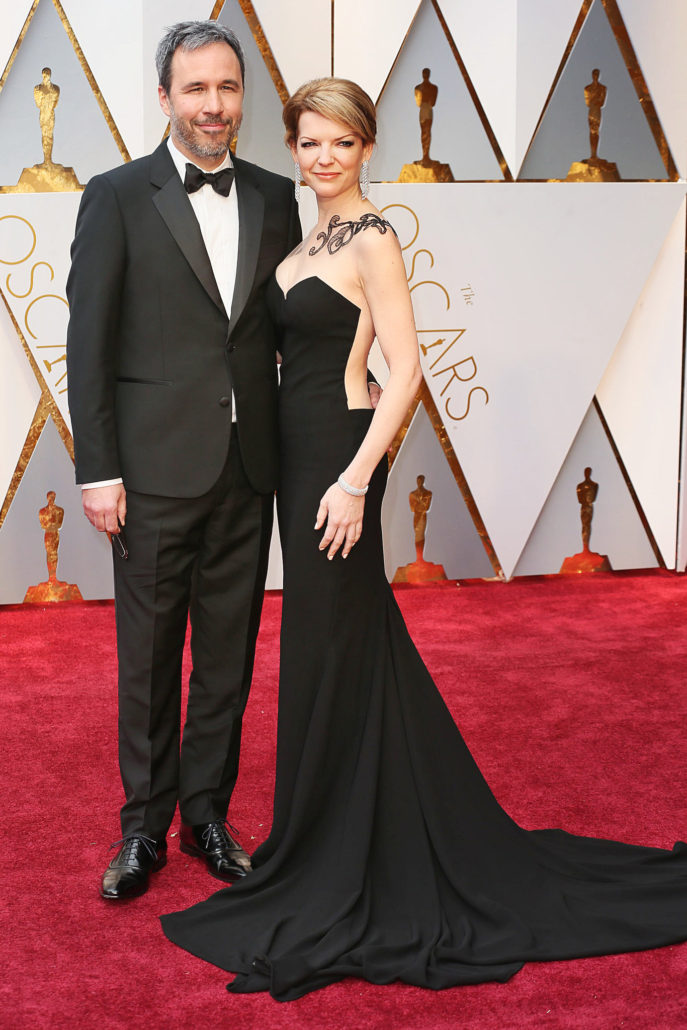
In fact, it is this very blandness that makes the notch so appealing to inexperienced young men as a 2008 GQ endorsement of the lapel inadvertently reveals: “When in doubt, go with a notch lapel. Less of a statement than a shawl or a peak, it essentially mimics a conventional suit jacket and looks right on just about anyone.” In other words, if you are unfamiliar with proper formal wear and too timid to try it out then this dreadful alternative will keep you in your comfort zone but you might as well just wear a regular suit. Advice such as this fosters the mistaken impression among young men that a tuxedo is simply a black suit with shiny lapels and explains why the notch is so often found on two-button jackets and paired with an ordinary style of a necktie.
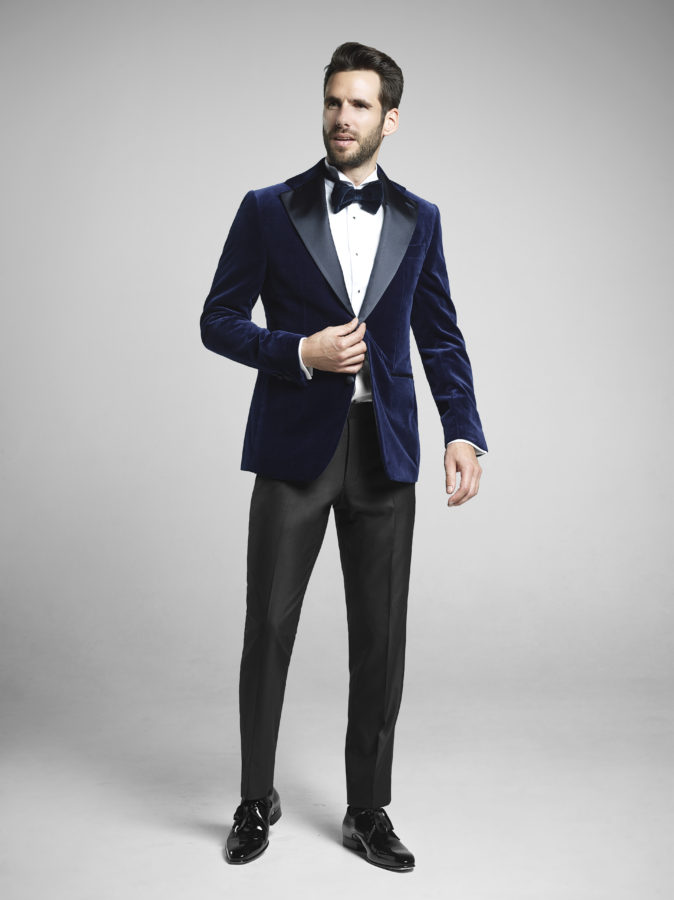
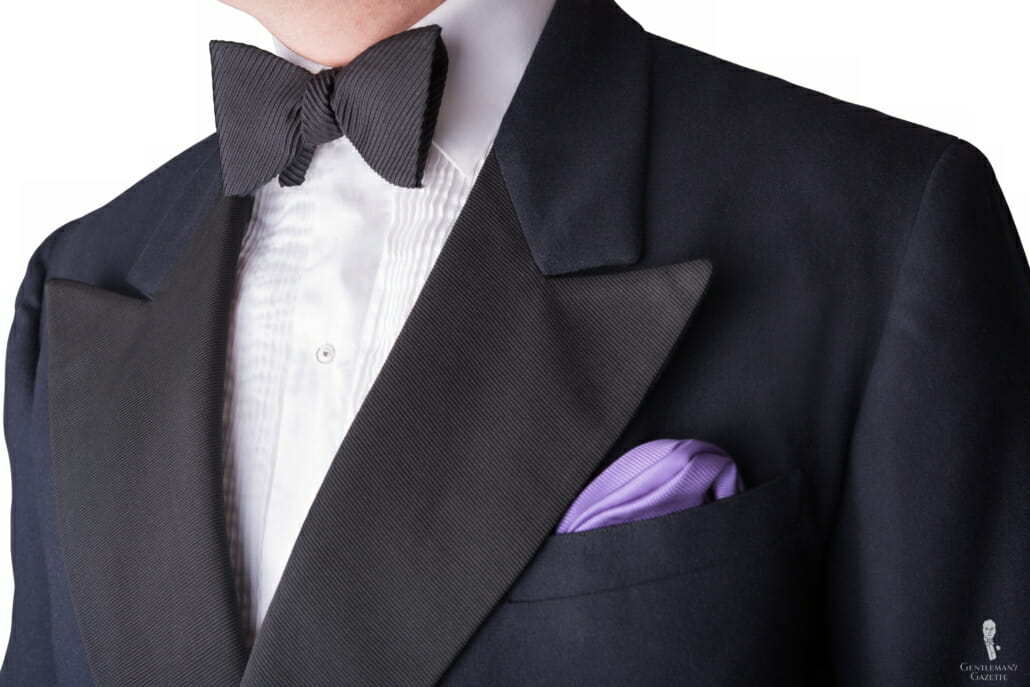
The notch lapel’s aesthetics don’t fare much better especially in light of their pronounced effect thanks to their shiny facing. Whereas the peak lapel creates an unbroken line that sweeps the eye up from the jacket’s narrow waist to its broad shoulders, the notch interrupts that line and leaves the eye stranded at mid-chest. Worse still, on wide lapels it draws the eye down towards the side, suggesting stooped shoulders.
Jacket Fabric
The Rules:
- Black wool is the norm
- Midnight blue is equally correct
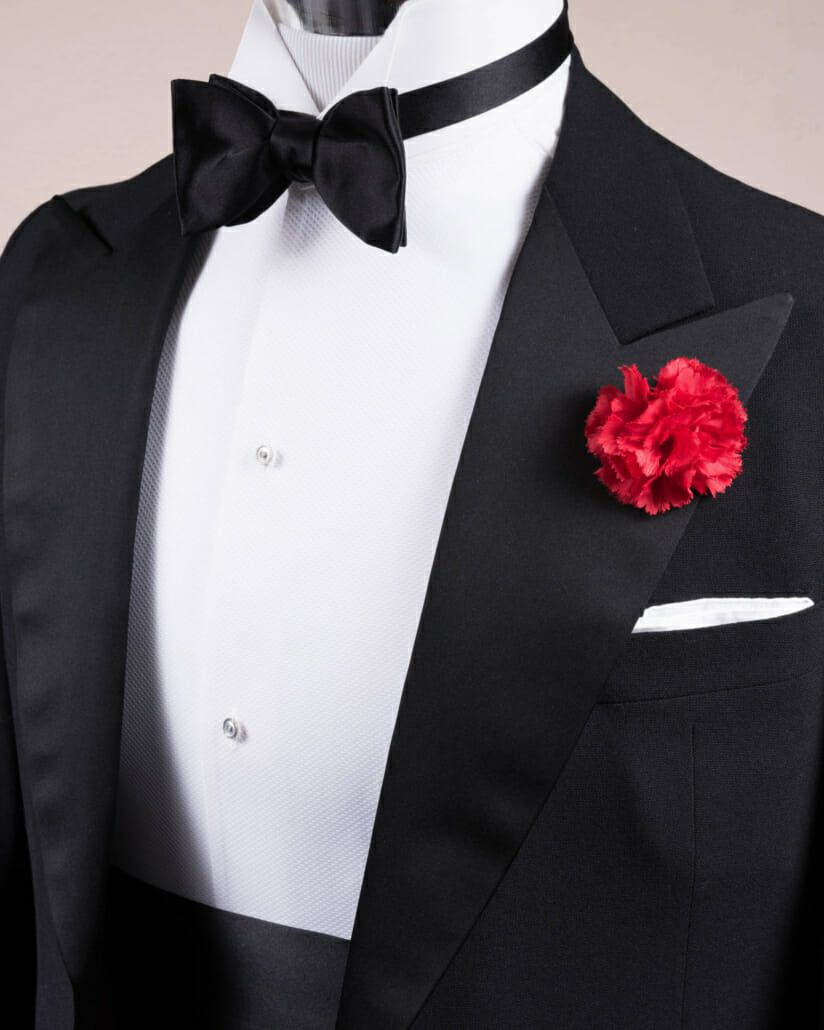
To paraphrase Henry Ford, contemporary dinner suits are acceptable in any color you want as long as it’s black. While rental shops offer all-white tuxedos as well as jackets of various other hues, they are the exclusive domain of weddings and proms and are very rarely seen at grown-up functions. The same goes for patterned suits, even if the pattern is black-on-black.
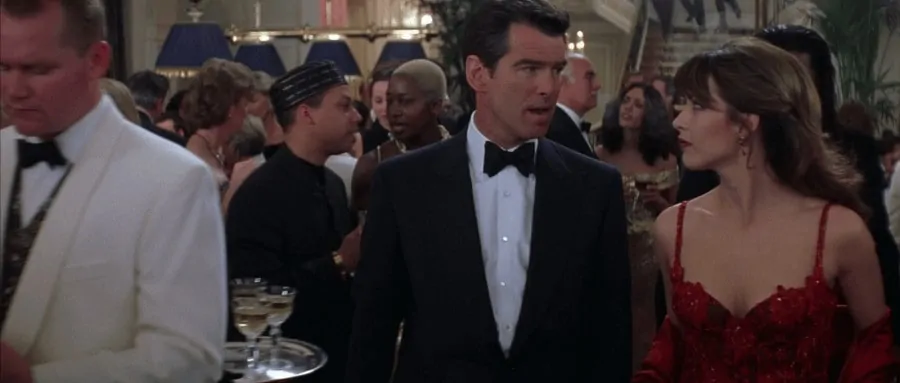
High-end designers have been offering wool and cashmere blends since the 1980s and mohair blends since the ‘50s, both of which are soigné enough to honor black tie’s basic principles. Even classicist Alan Flusser advocates the dulled sheen of baby mohair and fine worsted wool as “one of the few tasteful exceptions to the rule that normally consigns shiny clothes to the parvenu side of the tracks.”
Jacket Finishes
Fancy Trimming
The Rules:
- lapels have satin or grosgrain facings
Lapels are typically faced entirely in silk but there is a legitimate precedent for some swank variations. When facings first began appearing on tailcoats in the nineteenth century, they would often extend only as far as the buttonhole so that they were framed by a band of the coat’s material. This style remained a legitimate option for full dress up until the 1930s. Fancy lapels returned to formal wear in the 1960s but this time on dinner jackets instead of tailcoats and with a reversed pattern: only the edges were trimmed in silk while the rest of the lapels were self-faced. This flourish was a very popular trend until the return of social and sartorial conservatism in the mid-seventies.
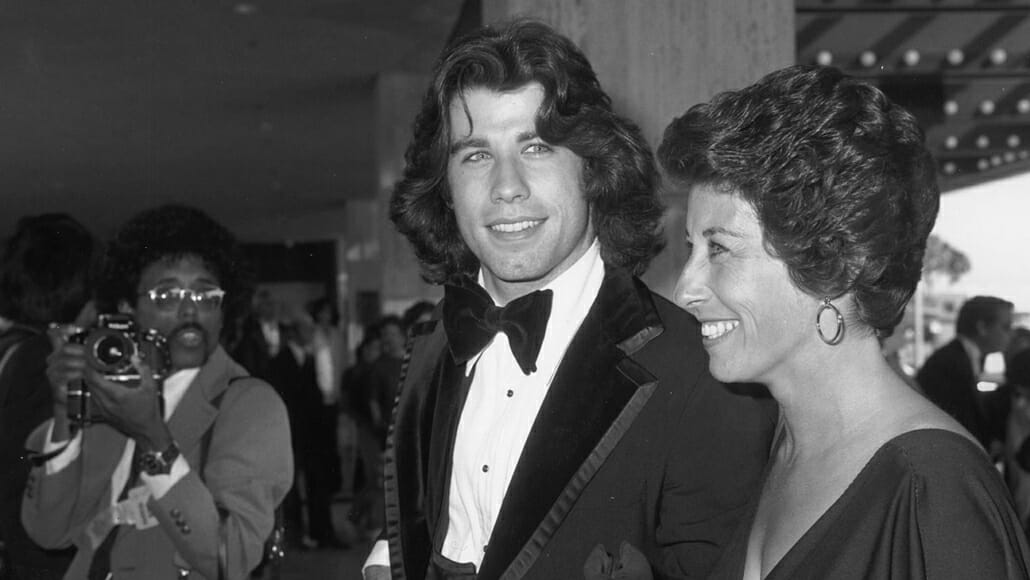
Today both the self-trim and silk-trim lapels can once again be found on fashion-forward tuxedos. The velvet lapel variation of the ‘50s and ‘60s also continues to pop up from time to time as do the faced sleeve cuffs of that era. Provided that all of these alternatives are executed in a black-on-black motif they will remain sound options for a man seeking to add personal style while remaining true to black tie’s fundamental principles.
Flap Pockets
The Rules:
- pockets should jetted and not have flaps
Flap pockets are appearing on dinner jackets offered by even the most traditional designers today. Just as with the notched lapel, this style of pocket denigrates the formal suit to the level of a common business suit. Fortunately, the edges of these pockets are usually besomed which means that the flap can be tucked in or removed altogether in order to create the more formal look deserving of a dinner jacket.
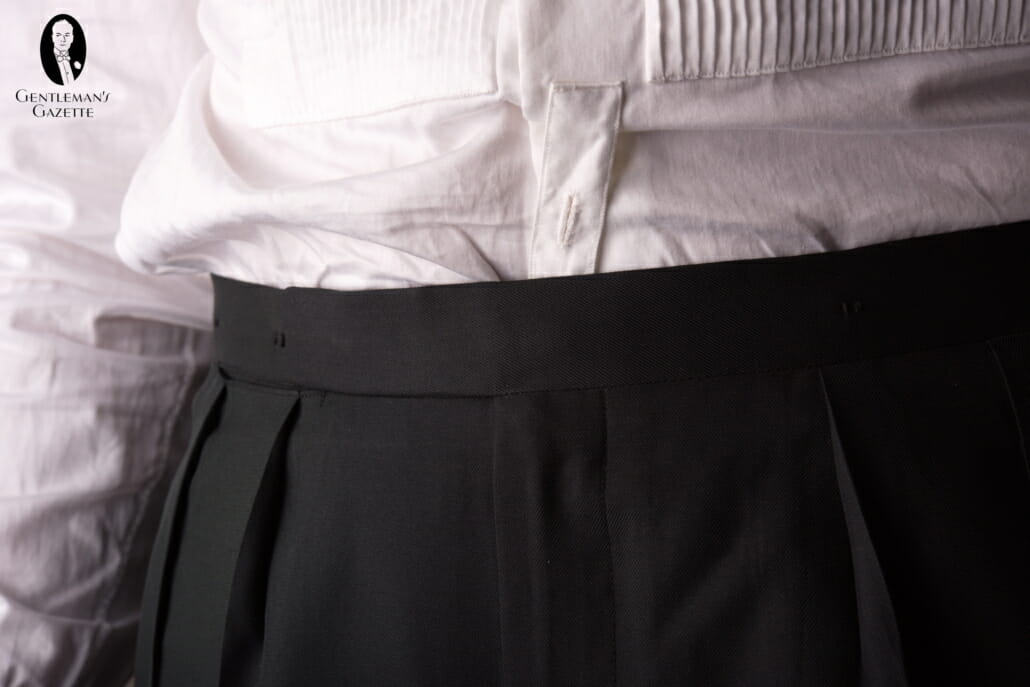
Contemporary Trousers
The Rules:
- Same material as the jacket
- Single braid or strip along outside, that may match lapel facings
- Cut for suspenders (braces)
- No cuffs (turn-ups)
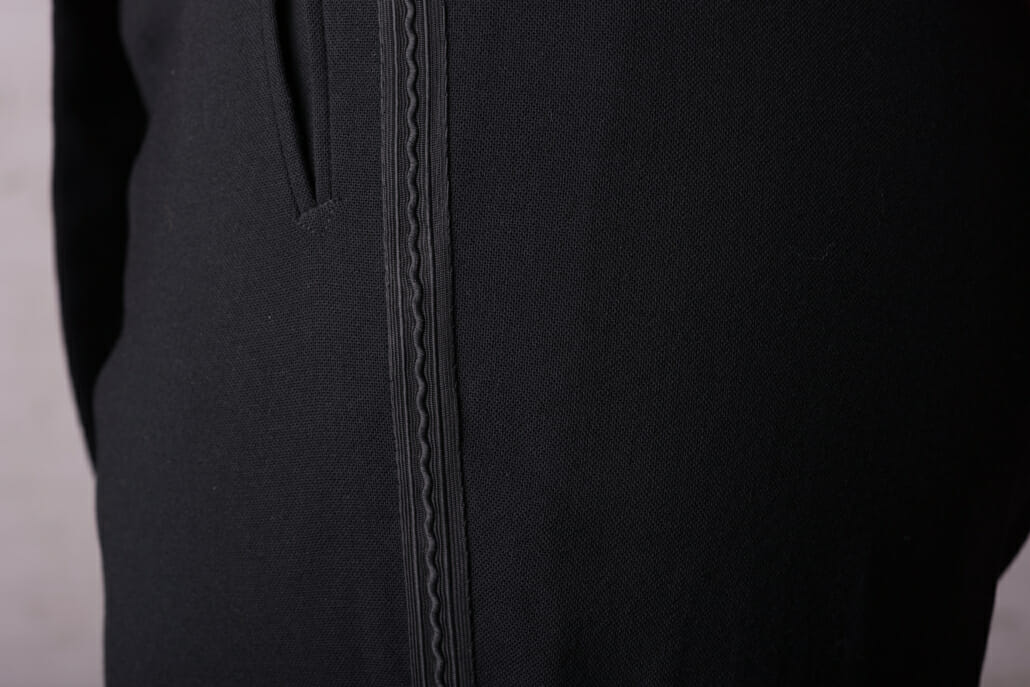
The popularity of pleats comes and goes with the popularity of fuller trouser cuts. Currently, the vogue is for fitted suits which means that flat-front trousers are the favored style. Ultimately this issue is a matter of comfort and personal preference and does not impact a dinner suit’s formality. See Suit Basics for further information.
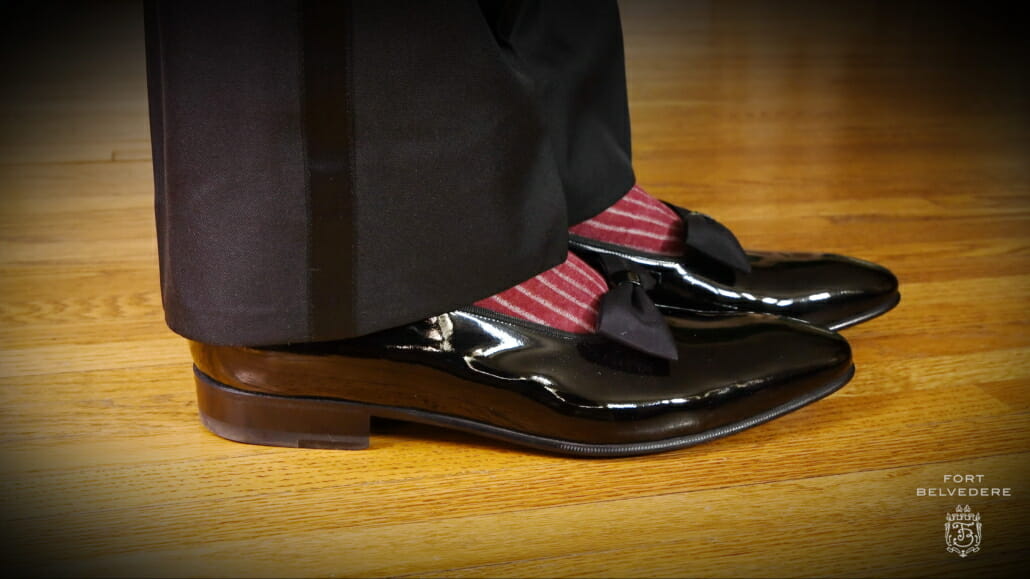
Modern designer trousers also often feature waistbands finished in satin and intended to eliminate the need for a cummerbund or vest. Rather than enhancing the elegance of black tie this innovation is more like “a formal version of the Sansabelt,” as GQ once stated, “and another dour nod to the age of convenience.” The pitfalls of forgoing a traditional waist covering are discussed on the following page.
Cut & Fit of the Contemporary Tuxedo
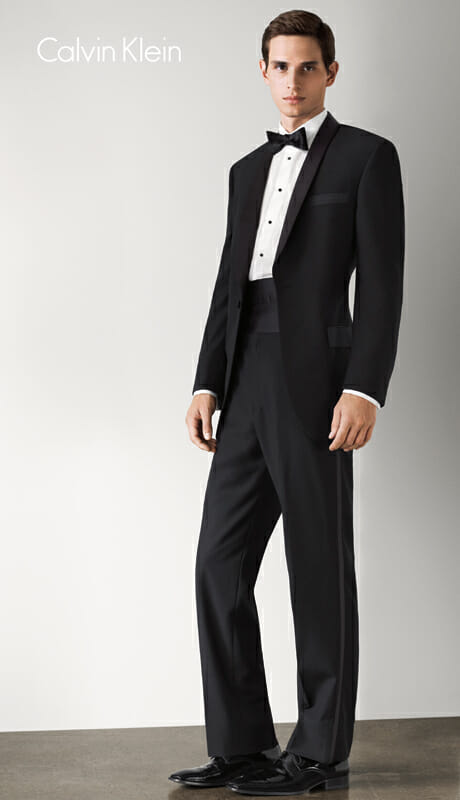
The cut of a dinner jacket tends to follow the same trends as regular suits. Currently the vogue in American designer suits is for a trim fit which does not flatter many men. See Style Basics to find out which suit silhouette is right for you.
The Notched Lapel Tuxedo: A Shortcut for Manufacturers and Rental Companies
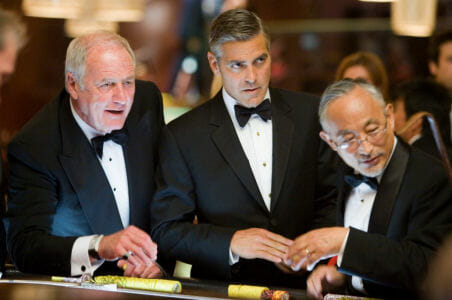
Part of the notch’s popularity is likely due to the fact that manufacturers save money by using the same pattern for both suits and tuxedos and that rental companies can rely on it to hold up better than the delicate points of peaked lapels during repeated wear and cleaning.
Fancy Trimmings for Contemporary Formalwear

British actor Hugh Laurie brought the trimmed lapel back into the spotlight after a 30-year hiatus when he wore this dinner suit to the 2006 Golden Globe awards.
Explore this chapter: 5 Contemporary Black Tie Tuxedo – Amending Perfection?
- 5.1 Style Over Fashion – Lessons From The Past
- 5.2 Contemporary Tuxedo
- 5.3 Black-Tie Waist: Contemporary Evening Vests
- 5.4 Contemporary Black-Tie Tuxedo Shirts
- 5.5 Contemporary Neckwear – The Black Necktie et al
- 5.6 Contemporary Tuxedo Shoes, Black Tie Accessories, and Outerwear
- 5.7 Contemporary Alternatives and Personalization